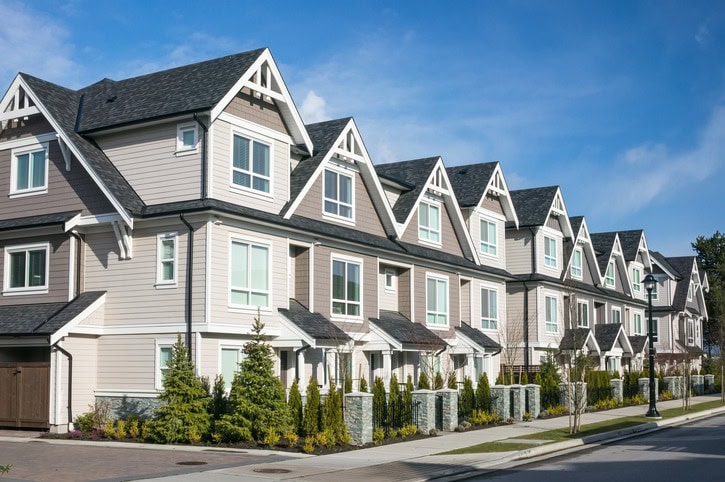
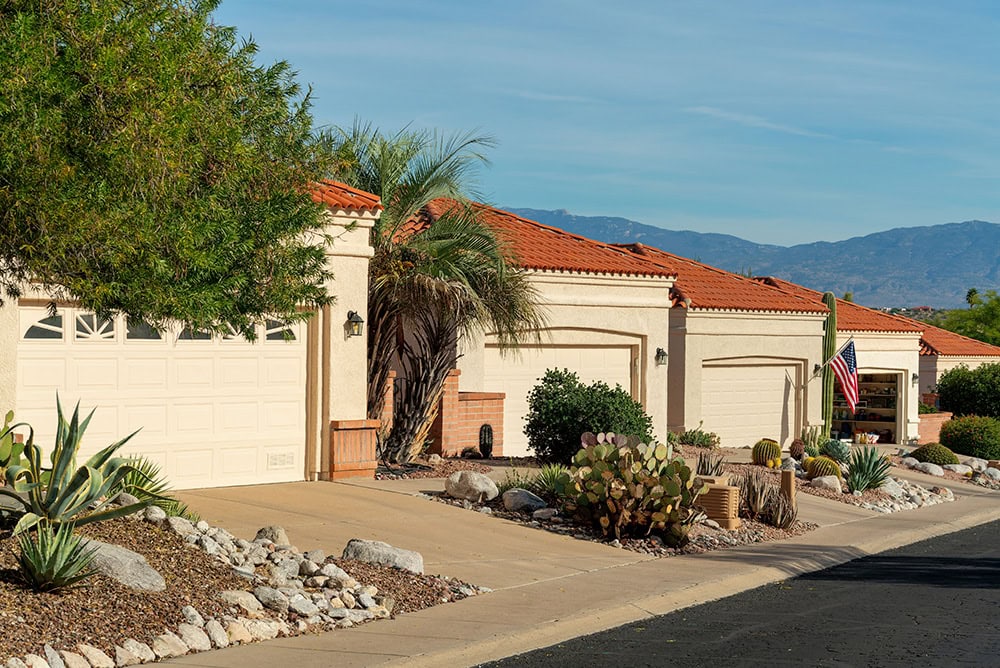
Rolling Hills, CA, presents unique challenges and opportunities for commercial and HOA repaint projects. The coastal climate, architectural standards, and community expectations require a tailored approach. Every repaint should begin with a comprehensive assessment, ensuring compliance with local regulations and HOA requirements. Safety is paramount, especially when dealing with older properties where lead, asbestos, or elevated workspaces are concerns. Engaging certified contractors and following strict protocols not only protects your investment but also ensures the safety of residents and tenants.
Essential Steps for Commercial and HOA Repaints
-
Comprehensive Pre-Job Assessment: Inspect all surfaces for damage, mildew, and wear. Repair stucco, wood, or other substrates as needed, and use coatings specifically designed for Rolling Hills’ weather—UV-resistant, moisture-proof, and mold-resistant.
-
Strict HOA and Community Coordination: Follow a phased schedule to minimize disruption. Use clear communication channels, set up approval workflows, and provide signage for noise and traffic control. Ensure all architectural standards are met.
-
Product Selection and Warranties: Opt for commercial-grade paints and coatings with clear warranty terms. Choose contractors with proven experience in both commercial and HOA projects for best results.
The Value of Professional Repainting
A professional repaint can transform the appearance and value of your property. Commercial repaints in Rolling Hills typically cost between $1.50 and $6.00 per square foot, depending on the complexity and height of the building. Regular maintenance can extend the life of your paint job by 7–15 years, reducing the need for major repairs and increasing tenant satisfaction. Freshly painted exteriors can boost foot traffic and sales by up to 15%, making a repaint a smart investment for any business or HOA.
Choosing the Right Color Palette
Color plays a crucial role in branding and community identity. Consistent color schemes can increase brand recognition by up to 80%. Select hues that reflect your brand or neighborhood character—blue for trust, red for urgency, green for sustainability. Test large swatches in different lighting conditions before finalizing your palette. Use measurable metrics like LRV (Light Reflectance Value) and WCAG contrast ratios to ensure visibility and compliance. Choose coatings based on the substrate: 100% acrylic for wood and CMU, silicone-modified elastomeric for stucco, and anti-graffiti finishes for high-traffic areas. Premium coatings may cost 20–40% more but last 10–15 years, reducing long-term costs.
HOA Repaint Strategies
For HOAs, establishing a limited color palette (3–5 approved colors) helps maintain neighborhood harmony. Require full-size mock-ups on at least one home per block to visualize the final result. Use a structured process for resident feedback, including digital surveys, a 60-day comment period, and open-design sessions. Set a clear variance threshold (usually 67% approval) and run pilot programs to test proposed palettes. Collect feedback on curb appeal, maintenance, and resale value to make informed decisions.
Selecting the Right Painting Contractor
Verify all contractor credentials: California CSLB license, active insurance, EPA RRP certification for pre-1978 properties, and local business licenses. Compare written estimates, itemized scopes, and warranty lengths. Request sample contracts and lien-release policies. Review before/after photos and on-site samples from recent projects. Contact past clients and check for reports of peeling or blistering. Portfolios showing projects of 12–200 units or 5,000–50,000 sq ft are ideal for comparison. Ask about surface prep specifics, such as power washing, spot priming, and epoxy primers. Ensure photos show safe access methods and clean masking. Require color-match mockups and test patches to identify early UV fade.
Optimal Timing for Painting Projects
Rolling Hills’ Mediterranean climate means most rain occurs between November and March. Schedule exterior painting in April–June and September–October for the best results. Aim for surface temperatures between 55°F and 85°F and relative humidity below 80%. Avoid painting within 5°F of the dew point to prevent adhesion issues. Notify residents 14–30 days in advance and confine noisy work to agreed-upon windows. Phase buildings into zones to limit disruptions and coordinate HOA meetings for color approvals.
Sustainable Painting Practices
Choose zero-VOC or low-VOC paints to reduce indoor air contaminants and minimize tenant complaints. Use digital takeoffs and paint calculators for precise ordering, consolidate color palettes, and favor bulk pails for high-use areas. Segregate and label leftovers for touch-ups and avoid improper solvent disposal. Conduct post-project audits to size orders to actual coverage rates. Implement on-site tinting and high-transfer-efficiency sprayers to reduce waste. Train crews in single-pass techniques and containment. Store opened cans properly and partner with certified haulers for recycling. Set measurable targets for waste reduction.
Pre-Painting Strategies for Commercial Ventures
Begin with a thorough walk-through to record square footage, substrate type, and existing coatings. Use moisture meters and adhesion tests to determine prep scope. Send samples for lab analysis if lead or asbestos is suspected. Calculate paint needs and add a 10–15% contingency. Allow 7–14 days for permits and specialty materials. Issue 48–72-hour notices and provide a project calendar. Assign a tenant liaison and a 24/7 hotline for complaints. Favor after-hours or weekend work for retail centers and daytime windows for offices. Provide bilingual notices and clear signage. Develop a communication plan to minimize disruptions and ensure smooth operations.
Final Touches and Future Maintenance
Perform a systematic punch-list inspection, looking for runs, sags, and pinholes. Verify continuous caulking, sealed fasteners, and film hardness. Photograph and timestamp issues and obtain HOA sign-off. Schedule annual soft washes and visual inspections twice a year. Expect a full recoat every 7–12 years in high-exposure zones and spot touch-ups on trims every 2–4 years. Use high-quality acrylics with UV-stable pigments and follow manufacturer DFT recommendations. Keep gutters and downspouts clear and maintain vegetation at least 12 inches from walls. Perform color-retention checks with a spectrophotometer every 3–5 years and record paint batch numbers and touch-up locations. After storms, inspect within 72 hours and address breaches immediately.
FAQs
1. How does the Rolling Hills climate affect commercial and HOA repaint strategies?
Rolling Hills’ coastal location means higher UV exposure, salt-laden air, and occasional moisture intrusion. Use coatings designed for UV stability and salt resistance, such as 100% acrylic or silicone-modified topcoats for stucco, and alkyd or epoxy primers for metal substrates. Consider flexible elastomeric systems for hairline cracking or stucco movement. Prioritize breathability on masonry and specify mildew- and fade-resistant finishes. Include aggressive surface preparation and specify service-life expectations (7–15 years) in your planning and budgeting.
2. What steps should an HOA take to secure approvals and select colors for a large repaint project?
Establish an architectural review process aligned with CC&Rs. Assemble board-approved color palettes, require contractor-provided large-format samples and mockups, and submit a full scope package for homeowner review. Schedule public meetings and a formal vote if required. Document approvals and allow sample periods on-site for viewing under natural light. Include standardized trim and accent rules, accessibility/ADA considerations, and a communications plan to notify residents of timelines and potential disruptions.
3. How do contractors minimize disruption and maintain safety during commercial and HOA repaints?
Use phased work by building or elevation to keep access open and reduce parking impacts. Employ night or off-peak shifts in high-traffic areas and isolate work zones with barriers, signage, and dust containment. Coordinate staging and material deliveries to avoid blocking ingress/egress. Implement odor-control strategies and ensure fall protection, scaffolding inspections, and traffic control plans comply with local codes. Provide daily cleanup, a single on-site project manager, and advance notice to tenants and residents.
4. How are costs estimated for multi-building HOA and commercial repaints, and how can associations budget effectively?
Itemize estimates for surface prep, repairs, priming, topcoats, scaffolding, access labor, permits, mobilization, waste disposal, and contingency for hidden damage or lead testing. Use unit pricing per square foot by surface type and include lifecycle cost comparisons. Phase work over fiscal years tied to reserve study recommendations. Solicit multiple competitive bids with identical specs and include allowances for color deviations, additional repairs, and a defined warranty period in the contract.
5. What warranties, maintenance plans, and post-project inspections should HOAs and commercial owners require?
Require written warranties distinguishing manufacturer material warranties from contractor labor/installation warranties. Insist on a final walkthrough and detailed punch list, plus photographic documentation. Contract for a one- to three-year touch-up and inspection program. Maintain a maintenance log with product data sheets and recoat schedules to preserve warranty validity and optimize future recoats.

David Cooley, the esteemed owner of Cooley Brothers Painting, has established himself as a leading figure in the painting industry. With a rich history of delivering unparalleled service in Torrance, Manhattan Beach, Palos Verdes Estates, Redondo Beach, and Rolling Hills, his hands-on approach and dedication to quality have shaped Cooley Brothers Painting into a trusted name for exceptional painting services. With a focus on innovation, customer satisfaction, and community engagement, David’s leadership continues guiding his team toward new heights of excellence and reliability in every project.