Lacquer finishes, with their smooth, glossy appearance and durable protective properties, are a popular choice for woodworking projects and a source of inspiration for craftsmen. Whether you’re refinishing furniture, cabinets, or decorative items, mastering the art of working with lacquer can elevate the overall quality of your craftsmanship. This comprehensive guide will delve into essential tips and techniques for successfully working with lacquer finishes, inspiring you to create stunning pieces that showcase the beauty and durability of lacquer.
Understanding Lacquer Finishes
What is Lacquer?
Lacquer is a clear or colored coating that dries quickly to form a hard, durable finish on various surfaces. It is commonly used in woodworking to enhance the appearance of wood while protecting against moisture, stains, and wear.
Types of Lacquer Finishes
Understanding the unique characteristics of different types of lacquer finish, such as nitrocellulose lacquer, pre-catalyzed lacquer, and post-catalyzed lacquer, is crucial. Each type offers distinct benefits in terms of drying time, durability, and application methods, and this knowledge will guide you in choosing the right one for your project.
Preparation for Lacquer Application
Surface Preparation
Before applying lacquer, ensure the surface is clean, dry, and free of dust, grease, and imperfections. Sand the surface lightly to create a smooth texture and promote better lacquer adhesion.
Proper Ventilation
Work in a well-ventilated area or use adequate ventilation equipment when applying lacquer. This prevents inhaling harmful fumes and ensures a safe and secure environment for your work. Proper airflow helps speed up the drying process and provides a professional finish, giving you peace of mind as you work with lacquer.
Application Techniques for Lacquer Finishes
Spray Application
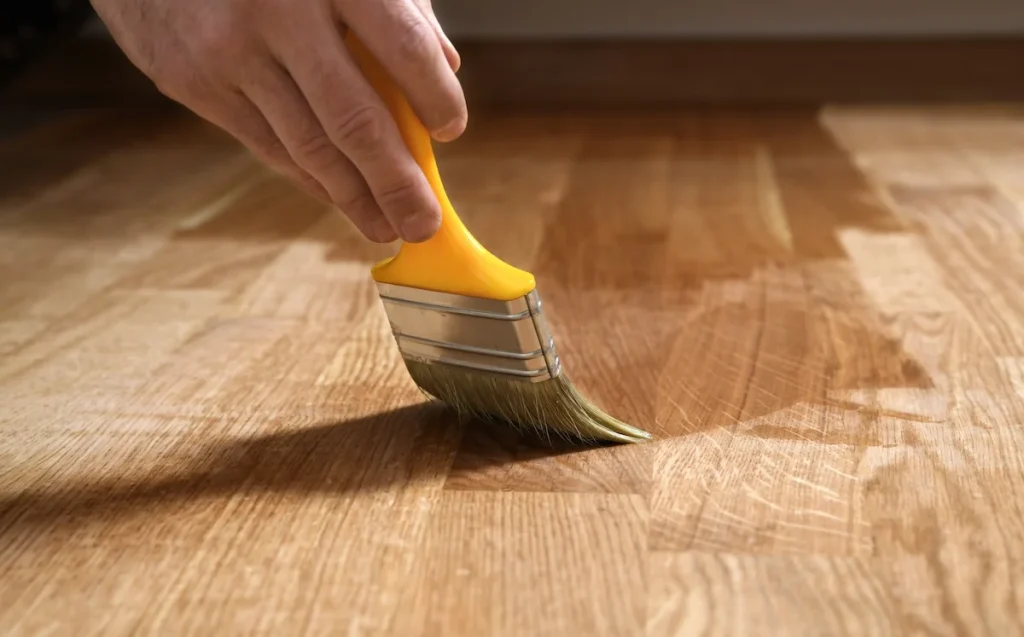
Spraying is the preferred method for applying lacquer finishes. It produces a smooth, even coat without brush marks. Use a high-quality spray gun and follow proper spraying techniques to achieve uniform coverage and avoid overspray.
Thin Coats for Build-up
To gradually build the finish, build up to one thin coat of lacquer rather than one thick coat. Thin coats dry faster, minimize drips and runs, and allow for better control over the final result.
Troubleshooting Lacquer Application
Dealing with Drips and Runs
If drips or runs occur during application, gently sand the affected area with fine-grit sandpaper once the lacquer has dried. Reapply a thin coat of lacquer to blend the imperfections and achieve a seamless finish.
Addressing Orange Peel Texture
Orange peel texture, characterized by a bumpy surface resembling an orange peel, can occur due to improper spraying techniques or environmental factors. To correct the orange peel, sand the surface lightly and apply additional coats of lacquer as needed.
Maintenance and Care of Lacquer Finishes
Regular Cleaning and Dusting
Regularly dust surfaces with a soft cloth or microfiber duster to maintain the beauty of lacquer finishes. This simple act of care removes debris and prevents the buildup of your responsibility toward your woodworking projects. Avoid using abrasive cleaners that can damage the finish, and your pieces will continue to shine with the beauty of lacquer.
Avoiding Heat and Moisture Exposure
Protect lacquer finishes from direct heat sources and excessive moisture, as these can cause the finish to soften, bubble, or discolor over time. Use coasters, trivets, and protective pads to safeguard surfaces from hot items and spills.
Working with lacquer finishes requires attention to detail, proper techniques, and a commitment to excellence in woodworking projects. By understanding the characteristics of lacquer finishes, preparing surfaces meticulously, mastering application techniques, troubleshooting common issues, and practicing diligent maintenance, you can achieve exceptional results that showcase the beauty and durability of lacquer. Whether you’re a seasoned woodworker or a hobbyist seeking to enhance your craft, incorporating these expert tips into your workflow will help you create stunning pieces with flawless lacquer finishes that stand the test of time.

David Cooley, the esteemed owner of Cooley Brothers Painting, has established himself as a leading figure in the painting industry. With a rich history of delivering unparalleled service in Torrance, Manhattan Beach, Palos Verdes Estates, Redondo Beach, and Rolling Hills, his hands-on approach and dedication to quality have shaped Cooley Brothers Painting into a trusted name for exceptional painting services. With a focus on innovation, customer satisfaction, and community engagement, David’s leadership continues guiding his team toward new heights of excellence and reliability in every project.