
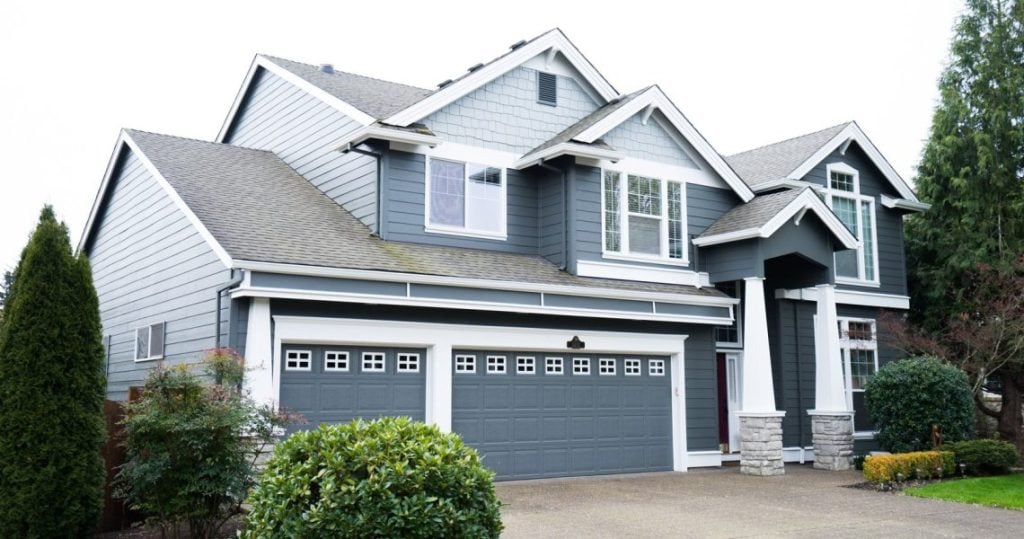
A standout exterior in Palos Verdes Estates isn’t just about picking the perfect color—it’s about matching the right technique and product to each material. Stone, stucco, and wood each have unique needs shaped by the local climate, and overlooking these details can lead to fading, peeling, and premature wear. When you tailor your approach, your home will look fresh and elegant for years to come.
This guide shares proven methods from a trusted Painting Company in Palos Verdes Estates, CA, focusing on the realities of local construction and the challenges of our coastal, hillside environment.
Why Prep and Product Matter in Palos Verdes Estates
-
Intense Sunlight: The South Bay sun can rapidly fade paint and degrade finishes. Opt for coatings with strong UV resistance and deep color retention.
-
Salt Air: Coastal breezes deposit salt on surfaces, especially doors, railings, and exposed elevations. Select finishes that are easy to clean and resist chalking.
-
Temperature Swings: Morning fog followed by midday heat causes materials to expand and contract. Flexible primers and caulks help maintain integrity.
-
Material Mixes: Many homes blend stucco walls, stone accents, and wood trim. Each material needs specific prep to age evenly and avoid premature failure.
Stone: Preserve the Texture, Prevent Moisture
Stone—whether natural or manufactured—is a signature feature in Palos Verdes Estates. Properly handling stone ensures it stays beautiful and durable.
Painting vs. Sealing vs. Leaving Natural
-
Natural Look: Most stone is best left unpainted. Use breathable sealers that protect without altering its texture.
-
Staining: Masonry stains subtly change color while letting the stone breathe, ideal for blending old and new sections.
-
Painting: Only use breathable masonry paint if you want a solid, opaque finish. Avoid trapping moisture, which can cause spalling.
Preparation Essentials
-
Clean gently with low-pressure rinsing and a masonry-safe cleaner. Avoid driving water behind the veneer.
-
Check for efflorescence (white powder). Let the stone dry, lightly brush, and consider an efflorescence-resistant primer if needed.
-
Repair cracks and joints before applying any coating to prevent water intrusion.
Product and Application
-
Choose coatings that allow vapor to escape, ensuring long-term breathability.
-
Match undertones to adjacent surfaces. Warm stone tints pair well with warm stucco; cool grays may look blue in bright light.
-
Use flat or matte finishes for a natural appearance. Satin can look artificial on stone.
Maintenance
-
Rinse stone annually with a gentle cleaner, especially on coastal-facing sides.
-
Inspect caps, sills, and step edges regularly. Address erosion or staining promptly.
Stucco: Smooth the Surface, Even the Finish
Stucco is a staple in Palos Verdes Estates, but it’s prone to cracking and uneven absorption. Proper prep and technique are essential.
Pre-Painting Assessment
-
Distinguish hairline cracks from structural issues. Hairline cracks are normal; widening cracks need professional repair.
-
Test for chalky residue. If present, use a chalk-binding primer or thorough cleaning before painting.
-
Map out patches. Fresh patches absorb differently; prime them for uniform color and sheen.
Repair and Priming
-
Use elastomeric or high-build patching compounds for hairline cracks. Feather edges for a seamless finish.
-
Allow new stucco or major repairs to cure fully. If coating early, use an alkali-resistant primer.
-
Apply a whole-wall primer on patch-heavy or sun-exposed areas for consistent absorption.
Coating Selection
-
Acrylic or elastomeric coatings provide flexibility and water resistance.
-
Test color samples at different times of day. Warm off-whites often look cleaner than stark whites in PV light.
-
Flat or low-sheen finishes hide texture flaws and reduce glare.
Application Tips
-
Back-roll after spraying for better penetration and uniformity.
-
Double-check coverage on parapets, eaves, and around fixtures.
Maintenance
-
Wash stucco gently each year. Avoid irrigation mist, which can cause drip marks.
-
Monitor and touch up patched areas to maintain a cohesive look.
Wood: Seal, Prime, and Protect
Wood elements like fascia, eaves, and doors add warmth but require careful attention to moisture and movement.
Moisture Management
-
Ensure wood is dry before painting. Moisture trapped under paint causes blistering and peeling.
-
Seal cut ends and end-grain first—these areas absorb water most readily.
Prep Steps
-
Scrape and sand to sound substrate. Feather edges where old paint remains.
-
Spot-prime bare wood, especially cedar or redwood, to block tannin bleed.
-
Use high-quality, paintable elastomeric caulk at joints.
-
Prime the hidden side of new wood pieces before installation.
Coating Choices
-
Satin finish on trim balances elegance and cleanability. Semi-gloss on doors and metal accents adds durability.
-
Dark colors on sun-exposed doors need premium enamel and full cure time.
-
Stains offer a natural look but require more frequent upkeep.
Application Notes
-
Brush finish coats with the grain for best results.
-
Load edges on doors and gates to prevent wear.
Maintenance
-
Inspect for cracks and touch up seasonally.
-
Replace worn door sweeps and check flashing above trim.
Transition Details: Where Materials Meet
Joints between stone, stucco, and wood are common points of failure. Proper detailing ensures a clean, professional finish.
-
Use flexible, paintable sealants at masonry-to-wood joints.
-
Prime stone edges for crisp paint lines.
-
Ensure metal flashings are sound and properly painted.
-
Align color changes at reveals or edges for a cohesive look.
Sample Color Schemes for Palos Verdes Estates
Warm Mediterranean
-
Stucco: Creamy off-white (flat)
-
Wood trim: Putty/tan (satin)
-
Stone: Natural, sealed matte
-
Door: Oxblood or deep olive (semi-gloss)
Modern Coastal
-
Stucco: Pale greige (flat)
-
Wood trim: Deep charcoal (satin)
-
Stone: Cool gray ledger, natural
-
Door: Teak stain or blackened bronze (satin/semi-gloss)
Classic PV Ranch
-
Stucco: Soft sand (flat)
-
Wood trim: Cream (satin)
-
Stone: Warm fieldstone, clear matte sealer
-
Door: Navy or slate blue (semi-gloss)
Common Problems and Solutions
-
Flashing patches on stucco: Prime the whole wall before painting.
-
Peeling fascia: Seal end-grain, fix gutters, spot-prime, and use UV-resistant topcoat.
-
White bloom on stone: Dry out, brush gently, reseal if needed.
-
Streaky or tacky doors: Respect cure windows, sand between coats, control temperature.
Smart Testing in PV Light
-
Test colors at different times of day.
-
Use a board with samples of stucco, trim, and door colors.
-
Adjust undertones and saturation based on light exposure.
Timing and Sequencing
-
Work in dry, breezy conditions.
-
Start at the top (fascia, eaves) and work down.
-
Stage work to protect landscaping and fixtures.
What to Look for in a Pro Proposal
-
Detailed prep notes for each substrate.
-
Primer and coating specifications.
-
Caulk map and protection plan.
-
Warranty terms for workmanship and repairs.
FAQs
1. Should I ever paint natural stone in Palos Verdes Estates?
Painting natural stone is uncommon. Use breathable masonry coatings only if you want an opaque finish, and always ensure the stone is sound and dry. Sealing with a penetrating sealer is usually preferred to preserve the stone’s natural look and breathability.
2. What’s the best finish for stucco to minimize glare?
Flat or low-sheen acrylic finishes are ideal. They hide texture flaws and reduce sun glare, making the stucco look uniform and elegant.
3. My west-facing wood fascia keeps peeling—why?
Peeling is often due to moisture entry at end-grain or gutter leaks. Seal end-grain, fix runoff issues, spot-prime with a stain blocker, and use a UV-resistant topcoat for best results.
4. Can I mix warm stucco with cool gray stone?
Yes, use trim or door colors that bridge the undertones, or opt for a neutral like greige. Test your colors in morning and midday light to ensure harmony.
5. How often should I reseal the stone in Palos Verdes Estates?
Reseal every 2–4 years, depending on exposure. Reapply when water no longer beads on the surface for best protection.

David Cooley, the esteemed owner of Cooley Brothers Painting, has established himself as a leading figure in the painting industry. With a rich history of delivering unparalleled service in Torrance, Manhattan Beach, Palos Verdes Estates, Redondo Beach, and Rolling Hills, his hands-on approach and dedication to quality have shaped Cooley Brothers Painting into a trusted name for exceptional painting services. With a focus on innovation, customer satisfaction, and community engagement, David’s leadership continues guiding his team toward new heights of excellence and reliability in every project.