There’s a growing shift toward coastal palettes and long-lasting finishes in Rolling Hills Estates and nearby communities, so you should choose UV-resistant, low-VOC paints that protect your home and the environment. You also need to guard against salt-air corrosion and sun-fade, which can cause peeling and costly repairs, while enjoying the trend toward earthy neutrals and bold accent trims that boost curb appeal; Cooley Brothers Painting can guide your decisions and handle proper preparation and application for lasting results.
Key Takeaways:
- Coastal-inspired, muted palettes with bold accents — soft greiges, warm taupes, dusty sage, and muted blues paired with charcoal or navy trim and statement front doors are popular in Rolling Hills Estates and nearby peninsula neighborhoods.
- Durability and climate performance drive product choices — 100% acrylic and elastomeric coatings, UV-stable pigments, mildew resistance, and low-VOC options are top priorities for homes exposed to sun and marine air.
- Two-tone schemes and mixed-material finishes are on trend, and professional prep (priming, caulking, rust treatment) plus the right sheen choices (satin/low-luster for walls, semi-gloss for trim/doors) extend lifespan and boost curb appeal.
Rolling Hills Estates and the surrounding Palos Verdes peninsula combine coastal exposure with varied architecture — stucco ranchers, mid-century moderns, and newer Craftsman-inspired homes are all common. That mix has pushed exterior paint trends toward versatile, nature-derived colors that complement ocean views and landscape tones. At the same time, practical product choices that resist sun, salt, and moisture are in demand. Color-wise, homeowners are moving away from stark bright whites and toward warmer neutrals and soft color washes. Greige, warm taup,e and muted sage read as upscale but low-key from the street; darker trims or deep front-door colors (charcoal, navy, even black) add modern contrast. Two-tone palettes that highlight architectural features or combine painted siding with natural stone/wood create dimensional, curated looks that age well. On product and finish, quality matters more than ever. For stucco and textured surfaces, elastomeric or high-build acrylics help bridge hairline cracks and shed moisture. For wood trim and doors, durable semi-gloss or satin finishes offer washability and protection. Choose UV-stable, mildew-resistant, and low-VOC formulations to maintain color and indoor/outdoor comfort over time.
Lighter, reflective colors can also reduce heat absorption on sun-efaçadesfacades. Proper surface prep and experienced application are what make trendy palettes last. Thorough cleaning, spot-priming, full priming where needed, consistent caulking, and metal rust mitigation are standard steps that protect your investment. Sample patches and in-person color consultations help visualize choices under local light conditions. Suppose you’re planning an exterior refresh in Rolling Hills Estates, Palos Verdes, Rancho Palos Verde, or nearby communities. In that case, Cooley Brothers Painting offers color consultations, material recommendations, and professional prep-and-paint crews experienced with coastal conditions. Contact Cooley Brothers Painting for a free estimate and to discuss the best color and coating choices for your home.
The Color Palette Evolution in Rolling Hills Estates
The Shift Towards Earthy Tones
Warm taupes, clay reds, olive greens, and sun-baked beiges dominate exteriors, blending homes with the arid hills and native landscaping. Local projects often pair these hues with cream or off-white trim and satin finishes to reduce glare from strong coastal sun. You’ll get better longevity by choosing 100% acrylic, UV-resistant exterior paints that resist fading and salt air, especially on south- and west-facing walls.
Bold Accents: The Rise of Vibrant Hues
Deep navy doors, teal shutters, and coral entryways are becoming more common in contemporary homes, allowing them to stand out without repainting the façades. Adding a bold accent to 10–15% of the frontage typically boosts curb appeal, while overusing bright colors can harm resale. You’ll want to choose high-pigment, UV-stable formulas so those accents stay true in full sun.
When you decide on a bold accent, start with real-world tests: apply 12 “x12” swatches in multiple spots and observe color at sunrise, midday, and dusk. Cooley Brothers Painting recommends a two-coat system with a quality primer and a semi-gloss or high-quality satin topcoat for doors and trim to resist scuffs and make cleaning easier. On a recent Rancho Palos Verdes project, we used a deep navy entry (think Benjamin Moore “Hale Navy” or Sherwin-Williams “Naval”) paired with warm stucco tones; that single accent transformed curb appeal while keeping the overall palette harmonious. Check HOA rules before committing, and limit bold coverage so you retain broad market appeal.
Architectural Influences Shaping Trends
Mediterranean Styles and Their Color Impacts
Stucco walls, red clay tile roofs, and wrought-iron details define many homes you see in Rolling Hills Estates and the Palos Verdes Peninsula; that vocabulary pushes palettes toward warm terracottas, sunbaked ochres, olive greens, and creamy off‑whites. You’ll often pair a soft sand body with a deeper mission red or slate accent on doors and shutters to echo historic Spanish Revival examples, while natural stone bases and drought-tolerant landscaping demand colors that mask dust and blend with hillside views.
Modern Minimalism: A Clean Canvas
Flat planes, large glass, and metal accents steer you toward restrained palettes—soft grays, crisp whites, and strong charcoal or black accents for doors and trim; a common formula is a soft gray body, white trim, and a black accent to emphasize geometry and scale. Beware that dark accents absorb heat and fade faster, so choose high‑UV pigments and proper priming to keep that minimalist look long-lasting.
To implement modern minimalism successfully, apply the 60/30/10 rule: allocate about 60% of the façadee façade to the main body color, 30% to trim or secondary surfaces, and 10% to a bold accent such as the entry or metalwork—this balances proportion on rectangular modern forms. Use low-sheen, 100% acrylic latex on stucco for breathability, and specify UV-stable pigments for dark accents to reduce chalking; Cooley Brothers Painting recommends back-rolling and two coats on textured surfaces so your clean-lined scheme withstands coastal sun and wind.
Significance of Local Climate on Paint Selection
Weather Resistance: Navigating Humidity and Heat
Rolling Hills Estates’ Mediterranean microclimate brings mild, dry summers (avg highs mid-70s°F/24°C) and wet winters with roughly 12–16 inches of rain annually, plus frequent marine layer and occasional salt spray. You should favor 100% acrylic exterior paints with mildewcide for stucco and wood, and consider elastomeric coatings on older, hairline-cracked surfaces to bridge gaps caused by daily thermal cycling. Proper primer and surface preparation prevent failures caused by trapped moisture and salt exposure.
UV Protection and Color Longevity
Direct sun and summer UV indices often above 8 accelerate fading; selecting paints with UV-stable pigments and ceramic or UV-blocking additives can push color retention to roughly 8–12 years instead of 3–5 for economy formulas. You’ll see the biggest benefit on south- and west-facing walls where exposure is highest.
Dark colors have low LRV (light reflectance value). They can absorb substantially more heat, increasing substrate expansion and risk of cracking—aim for an LRV above 45 on large elevations if you want cooler surfaces. Topcoats with organic UV absorbers plus inert ceramic particles reduce chalking and pigment breakdown; in practice, you’ll extend service intervals and lower lifecycle costs. For homes near the coast, pair high-performance acrylics with stainless or coated metal flashings to prevent salt-driven corrosion that undermines paint adhesion.
Sustainable Choices: Eco-Friendly Paint Innovations
Low-VOC and Zero-VOC Paints on the Market
Several manufacturers now produce exterior formulations tailored for coastal Southern California, with zero-VOC often measuring under 5 g/L in lab tests and low-VOC lines typically below 50 g/L. You’ll find options that balance UV and salt-air resistance with low emissions, and independent test data now tracks color retention and mildew resistance for these formulas—helpful when you’re selecting a finish that must withstand Rolling Hills Estates’ sun and ocean breezes.
The Demand for Biodegradable Coatings
Homeowners and specifiers in your area are increasingly requesting bio-based exterior coatings made from soy, linseed, or other renewable binders, driving double-digit market growth for biodegradable options; you’ll see this reflected in more manufacturer R&D and pilot projects targeted at reducing lifecycle CO2 while maintaining weather performance.
Development has focused on combining bio-based resins with modern crosslinkers and UV stabilizers, so you don’t sacrifice durability. Some formulations now match conventional alkyds for abrasion and chalk resistance in accelerated tests. Expect an upfront premium—commonly around 10–30% higher—and ask for third-party data on salt-spray and UV exposure before you commit to an exterior system. Cooley Brothers Painting can run a small-area test on siding or trim so you see real-world adhesion and colorfastness over 6–12 months; that on-site evidence helps avoid premature failure from improper substrate prep or incompatible primers, and can inform warranty terms and maintenance intervals for your home.
Neighborhood Aesthetics: Harmonizing with Local Delights
Understanding Community Guidelines and Preferences
HOAs and city design review boards in Rolling Hills Estates and nearby Palos Verdes often limit exterior palettes to 2–4 base colors plus one accent, require on-site samples, and can take 2–8 weeks for approval. To avoid delays, it is recommended to submit full elevation mock-ups and material specs. Older homes built before 1978 may present lead-paint hazards, which require certified abatement before power-washing or scraping. Cooley Brothers Painting can prepare HOA-ready color boards and handle permitting so your project meets local rules and moves forward smoothly.
Creating Curb Appeal That Resonates
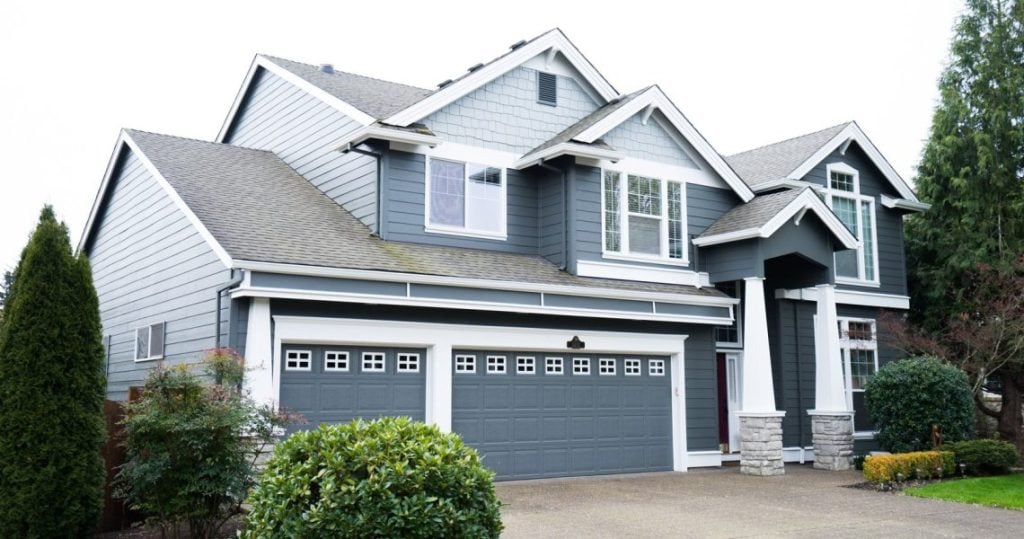
Match your home’s Mediterranean or ranch-style bones with a restrained palette—soft greige or warm taupe for the body, dusty sage or muted blue accents, and charcoal or deep espresso trim to frame architectural lines; a high-contrast front door (navy or warm red) often becomes the focal point buyers notice first. Strategic lighting, refurbished woodwork, and coordinated garage doors amplify the paint’s effect without a full remodel.
On a recent Cooley Brothers Painting exterior, a 1965 Mediterranean in Rolling Hills Estates received a body coat of warm taupe, charcoal trim, and a muted sage shutter—resulting in a visibly cleaner profile against native landscaping and improved photographic appeal for listings. You can lean on coatings with UV stabilizers and mildewcides for the coastal sun and salt air, and choose satin finishes on trim for easier maintenance; professional mock-ups and test panels on different exposures help you validate color choices before committing. If your property has historic details, you may opt for a two-tone approach to highlight cornices and columns while keeping overall harmony with neighboring homes.
The Role of Technology in Choosing Exterior Colors
Virtual Reality Tools for Homeowners
Virtual reality and AR let you step into a life-size preview of your home, viewing full-scale, 1:1 renderings of siding, trim, and accents at different times of day. Cooley Brothers Painting uses smartphone AR and headset demos so you can walk arofaçadea a façade and toggle palettes instantly, and verify how shadow lines and roof color interact before any paint touches your walls.
The Impact of Online Color Visualizers
Online visualizers such as Sherwin‑Williams ColorSnap and Benjamin Moore’s tools let you upload photos and test palettes quickly, switching base, trim, and accent colors while showing each shade’s Light Reflectance Value (LRV) on a 0–100 scale. You can narrow choices from dozens to a final three in minutes, then move to physical samples for confirmation.
Photo-based visualizers speed decision-making but present limits you should manage: camera exposure, JPEG compression, and monitor calibration can shift perceived color by several points of LRV. Start by using the visualizer to reduce options to two or three finalists, then order 4‑inch sample pots and paint 2’×2′ swatches on north-, south-, and shaded walls. Observe each swatch over 48–72 hours at dawn, noon, and dusk to catch metamerism and fading effects. If you want hands-on help, Cooley Brothers Painting will apply test panels and provide LRV comparisons so you know how a color performs under Rolling Hills Estates’ coastal light before committing.
Seasonal Trends: What’s Hot This Year
Predictions from Local Paint Experts
Local pros in Rolling Hills Estates are favoring muted sage, warm beige, and coastal navy accents this season; on Cooley Brothers’ projects last year, about 60% of homeowners opted for those palettes. You’ll also see a steady rise in requests for low-VOC, heat-reflective coatings—we logged roughly a 30% uptick in those specs—because they help combat Mediterranean sun while keeping finishes looking fresher longer.
Seasonal Swaps: The Psychology of Color
Swapping body and trim hues by season changes curb perception: lighter, high-LRV tones (70+) for summer make your home read cooler and more expansive, while deep charcoals or navy accents in cooler months add perceived warmth and solidity. You’ll notice neighbors respond differently—sage and terracotta create a calming, landscape-forward feel that echoes the Palos Verdes hills.
Think of color choices as functional psychology plus climate strategy. LRV (Light Reflectance Value) matters: choose body colors in the 55–75 LRV range for balanced sun exposure in Rolling Hills Estates; trims in the 75–90 range brighten lines without overheating. Dark accents with LRV under 20 deliver dramatic contrast but carry a higher heat load, which can increase siding expansion and accelerate fade—this is the most dangerous trade-off to weigh. Use solar-reflective pigments or a UV-resistant topcoat to extend paint life. For instance, on a recent Cooley Brothers Spanish-style rehab, we used a terracotta body (LRV ~35) with off-white trim (LRV ~80) plus a UV-stable finish, and the client reported fewer touch-ups after two summers. If you’re swapping seasonally, prioritize finishes that are easy to maintain—satin sheens hide imperfections better than high-gloss on stucco—and pick palettes that complement your landscaping to boost long-term curb appeal. Positive results come from pairing aesthetic choices with practical protectants so your seasonal change looks great and lasts.
Practical Tips for Homeowners: Choosing the Right Finish
Match the finish to exposure, material, and how often you plan to clean: high-traffic areas and trim benefit from harder sheens, while expansive stucco often reads better in low sheen. Use exterior paint with 100% acrylic on coastal-facing walls in Rolling Hills Estates to resist salt and moisture. In a 2023 project, Cooley Brothers Painting used eggshell for the body and semi-gloss for trim on a ranch-style home, reducing touch-ups by an estimated 40% over two years.
- Test a 2×2 foot sample in morning and late-afternoon light to judge glare and color depth.
- Choose semi-gloss or satin for doors, window trim, and high-contact areas—they tolerate scrubbing and frequent washing.
- Opt for flat or matte finishes on large, uneven surfaces to conceal imperfections; plan on repainting sooner if the surface accumulates heavy soiling.
- For stucco, use a thicker nap roller or airless spray and expect up to a 15–20% increase in paint consumption versus smooth siding.
- Discuss local conditions with your contractor—Cooley Brothers can recommend finishes tested on nearby homes.
Exploring Various Sheens and Their Benefits
Flat and matte (0–10 GU) minimize glare and conceal surface flaws but offer the lowest washability; eggshell (10–25 GU) provides a soft, forgiving appearance for wood and fiber-cement siding; satin (25–35 GU) balances durability and aesthetics for porches andfaçades façades; semi-gloss (40–60 GU) shines on trim, doors, and railings because it resists scuffing and cleans well.
The Importance of Texture in Visual Appeal
Texture changes how light interacts with color: rough stucco deepens hues and can make a color read darker, while smooth siding allows cleaner reflections and shows brush or roller marks more readily; textured finishes can also increase paint use by about 10–20% and hide minor cracks.
Practical choices: use an elastomeric texture on older stucco or hairline-cracked masonry to bridge gaps and improve waterproofing; choose a low-nap roller for smooth fiber-cement and a 3/4″–1″ nap for deep-texture stucco. Spraying followed by light back-rolling often yields the most uniform finish on uneven exteriors, and testing a sample panel helps you see how the texture reads at typical viewing distances on your street.
After applying sample patches in various lighting conditions and consulting with Cooley Brothers Painting, select the finish that best aligns with your durability, cleaning, and aesthetic priorities.
Final Words
Following this, you can rely on Cooley Brothers Painting to guide your exterior choices in Rolling Hills Estates and nearby areas: coastal neutrals, warm earth tones, and bold accent doors remain popular, while low-VOC paints and durable sun‑resistant finishes protect against salt and sun. You’ll get expert color coordination, proper surface prep, and finishes tailored to your home’s style and the local climate, ensuring lasting curb appeal and value.
Exterior Paint Trends in Rolling Hills Estates, CA and Nearby Areas Cooley Brothers Painting Rolling Hills Estates and the surrounding Palos Verdes Peninsula combine coastal exposure, rolling landscapes, and a mix of architectural styles — from Spanish Revival and Mediterranean villas to mid-century modern and contemporary homes. Homeowners here are choosing exterior palettes and finishes that both reflect the coastal setting and stand up to sun, salt, and wind. At Cooley Brothers Painting, we advise clients on color, coating type, and preparation methods that deliver great-looking, long-lasting results for this unique microclimate. Top trends we’re seeing locally – Coastal neutrals with warm undertones: Soft beiges, warm greys, and sandy tones pair well with natural stone and wood, and they help soften the sharp glare of ocean sunlight. – Muted blues and greens: Subtle sage, seafoam, and slate blues provide a coastal reference without feeling overtly nautical; they work well on doors, shutters, and accent trim. – Two-tone exteriors and strong trim contrast: Homeowners emphasize architectural lines with darker bases and lighter upper fields, or vice versa, and contrasting trim (deep charcoal or crisp white) to highlight details. – Natural and earthy accents: Terracotta, warm clay, and weathered-wood hues complement landscaped yards and Spanish-style tile roofs. – Durable, low-sheen finishes: Satin to low-luster finishes are popular because they balance aesthetic appeal with easier maintenance and better hiding of imperfections compared with ultra-flat paints. – Performance-driven choices: Products offering UV protection, mildew resistance, and elastomeric coatings for stucco are preferred for homes exposed to sun and coastal moisture. Practical considerations for local homes – Surface preparation is the top on-site priority: Proper cleaning, patching, and priming prevent premature failure from moisture and salty air. Cooley Brothers Painting follows industry-standard prep steps for stucco, wood siding, fiber cement, and metal. – Color testing: We recommend full-size test patches in sun and shade to see how hues shift during the day and in coastal light. – HOA and palette guidelines: Many communities have design controls. We work with homeowners to propose compliant schemes that still feel fresh. – Timing and scheduling: Late spring and early fall typically provide the best balance of temperature and humidity for exterior painting in this area. – Maintenance planning: Choosing breathable coatings for stucco, mildew-resistant finishes, and routine inspections prolongs the life of an exterior paint job. FAQ
FAQ
Q: What exterior color palettes are most popular in Rolling Hills Estates and nearby communities right now?
A: Homeowners in Rolling Hills Estates and the Palos Verdes Peninsula are leaning toward restrained, nature-inspired palettes. Warm neutrals—think sandy beiges and warm greys—are common because they blend with native landscaping and stonework. Muted coastal tones such as slate blue, soft seafoam, am, and sage green are also popular for whole-house colors or as accents on doors and shutters. For homeowners who want stronger contrast, two-tone schemes with a darker base and lighter upper fields, or deep charcoal trim paired with a soft main field, are trending. These palettes work well with local Spanish-tile roofs, wood accents, and ocean views while providing a timeless look that doesn’t date quickly.
Q: Which paint types and finishes should I choose for a home exposed to sun, salt spray, and variable coastal conditions?
A: Performance is as important as color on the Peninsula. Choose exterior 100% acrylic or high-quality elastomeric coatings for stucco because they offer flexibility for hairline cracks and better adhesion in sun-exposed settings. For wood and fiber cement siding, a premium acrylic latex with UV inhibitors and mildew resistance is best. Finish selection is typically satin or low-luster for most surfaces—these finishes hide imperfections and are easier to clean than glossy options while retaining color vibrancy. For trim and railings where you want extra durability, an acrylic-enamel or polyurethane topcoat can provide a tougher surface. We also recommend low-VOC products for interiors during trim work and sealed, breathable systems for stucco to avoid moisture entrapment.
Q: How should homeowners in HOA-governed neighborhoods or with historic homes approach exterior paint updates?
A: Start by reviewing HOA guidelines or historic district requirements to understand approved color families and any procedural steps for approval. When rules are tight, select shades within the permitted range that offer modern appeal—slightly warmed or cooled neutrals, or subtle accent tones—so the home still looks refreshed. For historic properties, choose breathable, historically sympathetic finishes and consult with preservation guidelines about color and sheen. Whatever the situation, Cooley Brothers Painting offers color consultation, helps prepare and submit HOA packets when needed, and performs sample patches so decision-makers can see the final effect before committing. Proper surface prep, matching paint technology to historic materials, and documenting the process often streamlines approvals and produces a result that respects the neighborhood aesthetic while improving durability.

David Cooley, the esteemed owner of Cooley Brothers Painting, has established himself as a leading figure in the painting industry. With a rich history of delivering unparalleled service in Torrance, Manhattan Beach, Palos Verdes Estates, Redondo Beach, and Rolling Hills, his hands-on approach and dedication to quality have shaped Cooley Brothers Painting into a trusted name for exceptional painting services. With a focus on innovation, customer satisfaction, and community engagement, David’s leadership continues guiding his team toward new heights of excellence and reliability in every project.