
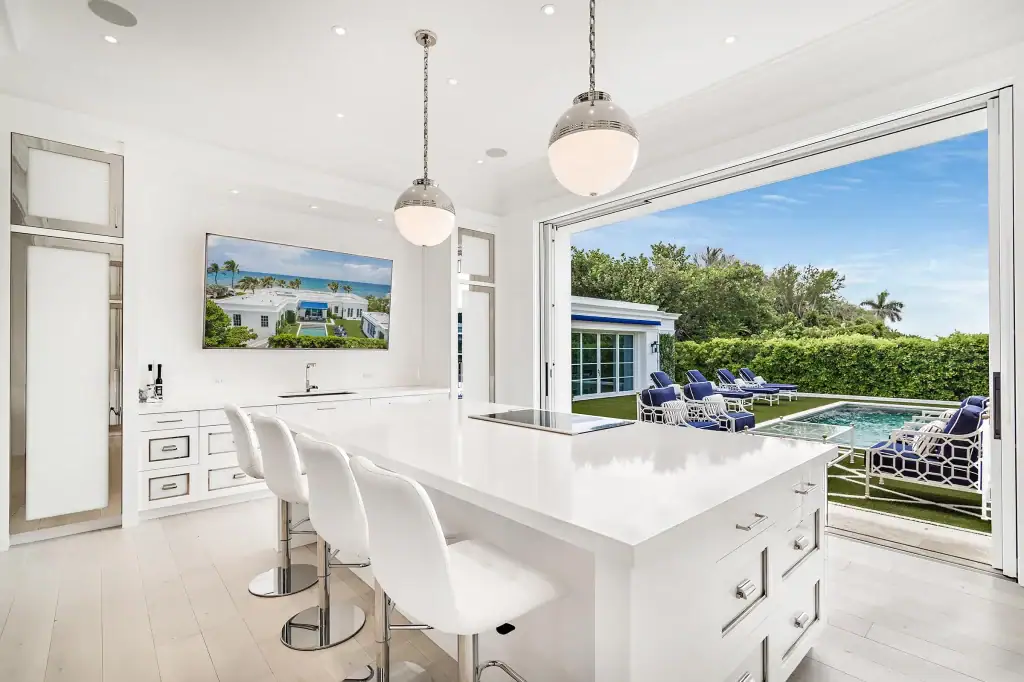
Coastal living is gorgeous—but the same ocean breeze that makes your home feel fresh also brings salt, moisture, and daily temperature swings that can age interior paint faster. This guide explains how to prep, prime, and paint so your rooms stay clean, calm, and durable—whether you’re steps from the sand in Manhattan Beach or enjoying canyon breezes in PV.
If you want a turnkey result—sampling, prep, and a photo-ready finish—our team can help via Interior Painting. For neighborhood support, see our local painting crews in Manhattan Beach and Palos Verdes Estates.
Why Coastal Interiors Need a Different Playbook
Indoors, beachside conditions show up as:
- Salt film migrates through open windows and doors, clinging to walls, trim, and hardware.
- High humidity and daily swings that stress caulk joints and can invite mildew in baths and laundry areas.
- UV and glare reflecting off the ocean and the pale hardscape, changing how colors and sheens look hour to hour.
- Fine sand that acts like a mild abrasive on lower walls, doors, and baseboards.
The solution isn’t “more paint”—it’s smarter prep, right-fit primers, breathable, mildew-resistant topcoats, and sheens that handle light without showing every mark.
Step 1: Salt-Safe Cleaning Before You Even Think About Paint
Paint sticks to clean, dull, and dry surfaces. In ocean neighborhoods, “clean” means desalting first.
- Dry dust and vacuum walls, trim, and sills to lift sand.
- Wash with a salt-cutting detergent (a mild TSP substitute or quality degreaser). Rinse with clean water to remove residue.
- Dry thoroughly—fans and cross-ventilation help. Trapped moisture leads to early failure.
- Scuff-sand glossy areas for tooth, then HEPA vacuum.
- Spot prime water stains or previous patches to prevent flashing.
Our crews handle this de-salt routine as part of Interior Painting, so new coatings bond properly.
Step 2: Pick the Right Caulk for a Moving House
Coastal homes breathe. Windows and trim exhibit micro-movement due to humidity and temperature. Use:
- High-quality siliconized acrylic for painted trim and baseboards—good flexibility and paintability.
- Urethane or advanced hybrid sealants, where you see recurring hairline cracks around jambs and casings.
- Avoid cheap caulk—it chalks, shrinks, and cracks under coastal cycles.
Step 3: Prime for Moisture, Stains, and Grip
Use primer by need, not habit:
- Bonding primer for slick enamel trim or cabinets you plan to repaint.
- Stain-blocking primer for water marks, nicotine, or old knot bleed.
- Mildew-resistant drywall primer in bathrooms, laundry rooms, and coastal-damp lower levels.
- Alkyd-hybrid bonding primers excel on tricky substrates while keeping low odor indoors.
Step 4: Choose Paint That Breathes—and Resists Mildew
Indoors, coastal-smart paint should be:
- 100% acrylic (or advanced acrylic blends): strong adhesion, flexible, and color-true.
- Washable matte or eggshell for walls: hides texture yet cleans up after sandy hands.
- Satin or semi-gloss for trim/doors: durable and wipeable, but not mirror-shiny in glare.
- Mildew-resistant formulas in baths, laundry rooms, and kitchens.
Have cabinetry or built-ins that need a refresh? A factory-level result is possible with our Cabinet Painting process—hard-wearing finishes that won’t yellow.
Sheen Strategy in Bright, Reflective Light
Glassy ocean light can turn shiny walls into mirrors. Use sheen to control reflections:
- Walls: durable matte for texture-hiding elegance; eggshell for wipeability (kids’ rooms, hallways).
- Ceilings: flat or ultra-flat to reduce glare.
- Trim/Doors: satin for a clean edge; semi-gloss only if your surfaces are very smooth.
Color That Loves Coastal Light (Without Going Icy)
Ocean light can be cool in the morning and intense by afternoon. For interiors that feel calm all day:
- Soft whites with a whisper of green-gray stay balanced against glare.
- Greige (gray-beige) bridges warm floors and cool daylight across open plans.
- Blue-greens work as accents on built-ins or a fireplace wall—choose grayed, low-chroma versions to avoid turning neon at sunset.
- Avoid stark blue-white wall colors in bright rooms; they can read sterile in photos and at twilight.
Room-by-Room Coastal Game Plan
Living Room / Great Room
- Main color: light greige or softened white with calm undertones.
- Sheen: washable matte or eggshell.
- Trick: keep ceilings in the same family, one notch lighter, to lift height without harsh contrast.
Kitchen
- Continue the great-room color for flow.
- If cabinets are dated, repaint them in a soft white/greige with a cabinet-grade satin finish. Consider our Cabinet Painting service for durable, non-yellowing results.
Bathrooms & Laundry
- Mildew-resistant primer + moisture-tolerant wall paint (durable matte or eggshell).
- Keep ventilation fans clean and effective; paint fails faster without airflow.
Bedrooms
- Choose warmer neutrals that won’t reflect a blue cast at night.
- Lower sheen for a restful, hotel-calm finish.
Hallways & Stairs
- One flowing neutral elongates sightlines.
- Opt for scrubbable finishes—these areas see sandy hands and bag scuffs.
Ventilation, Humidity, and the “Dew Point” Trap
Even inside, moisture tries to condense on cool surfaces (glass, metal, north-facing walls). To protect fresh paint:
- Run bath and laundry fans during and 20 minutes after use.
- Cross-ventilate on painting days and early curing days to expel moisture and fumes.
- Mind the marine layer: schedule interior paint when humidity is moderate; rapid swings from fog to sun can slow curing.
- Dehumidifiers/AC help stabilize RH during cure windows in especially damp rooms.
Manhattan Beach vs. PV: Small Differences, Big Payoff
Manhattan Beach
- Stronger glare and more salt. Choose colors with a touch of green/gray to stay composed.
- Keep the wall sheen lower in ocean-facing rooms to limit reflection.
- Wipe down lower walls and base weekly during peak beach season to remove salt film.
Palos Verdes / Palos Verdes Estates
- Microclimates shift from marine fog to sunny canyons.
- Pick neutrals that won’t go cold on foggy mornings but won’t yellow in bright afternoon sun—balanced greige excels here.
- Consider tone-on-tone trim for elegance when architecture features arches, paneling, or built-ins.
Local crews are ready for both conditions: Manhattan Beach painters and Palos Verdes Estates painters.
Prep & Paint Checklist (Coastal Edition)
- De-salt wash, rinse, dry
- Sand glossy spots; dust control vacuum
- Repair cracks; flexible, paintable caulk
- Targeted priming (bonding, stain-block, mildew-resistant)
- Two uniform finish coats; maintain a wet edge to avoid lap marks
- Final detail: crisp lines at windows, base, and built-ins
Our Interior Painting team follows this flow so your finish wears well under coastal conditions.
Maintenance That Actually Works by the Beach
- Monthly wipe-downs on high-touch spots (around handles, stair walls, kids’ zones) with a gentle cleaner.
- Seasonal salt sweep: damp-wipe window surrounds and lower walls in high-breeze rooms.
- Touch-ups: keep a labeled pint of each color. Lightly scuff, then feather new paint to avoid flashing.
- Filter check: clean HVAC returns; airborne salt and dust dull paint faster.
- Entry strategy: a hard-wearing mud-adjacent floor helps; if your garage or studio needs help with sand and salt, Epoxy Floor Coatings creates an easy-clean zone.
When to Call Pros
DIY is fine for a powder room. For whole-home repaints, tricky substrates, or cabinets, pros save time and prevent early failure. We plan around the marine layer, choose the right primers, and leave you with a finish that stays calm through summer and fog season alike.
Explore scheduling on our Interior Painting page, or go local with Manhattan Beach or Palos Verdes Estates.
FAQs
1) Will interior paint peel because of salt air?
Not if surfaces are de-salted, primed correctly, and finished with quality acrylics. Most failures trace back to residue, moisture, or sheen mismatches—not “the ocean” itself.
2) Which wall sheen holds up best near the coast?
Durable matte or eggshell. They hide minor texture and clean up well. Use satin/semi-gloss on trim and doors.
3) How do I stop mildew in bathrooms?
Use mildew-resistant primer and paint, improve ventilation, and let showers run with the fan on and for 20 minutes after. Keep relative humidity in check while the paint cures.
4) Are pure white walls a bad idea?
Pure, cool whites can look stark and amplify glare. Softer whites or greige with calm undertones feel better in coastal light—especially in ocean-facing rooms.
5) Can you paint during foggy weeks?
Yes—with planning. We schedule around high humidity, use fast-drying, low-temperature-tolerant products when appropriate, and ensure airflow for proper cure.

David Cooley, the esteemed owner of Cooley Brothers Painting, has established himself as a leading figure in the painting industry. With a rich history of delivering unparalleled service in Torrance, Manhattan Beach, Palos Verdes Estates, Redondo Beach, and Rolling Hills, his hands-on approach and dedication to quality have shaped Cooley Brothers Painting into a trusted name for exceptional painting services. With a focus on innovation, customer satisfaction, and community engagement, David’s leadership continues guiding his team toward new heights of excellence and reliability in every project.