
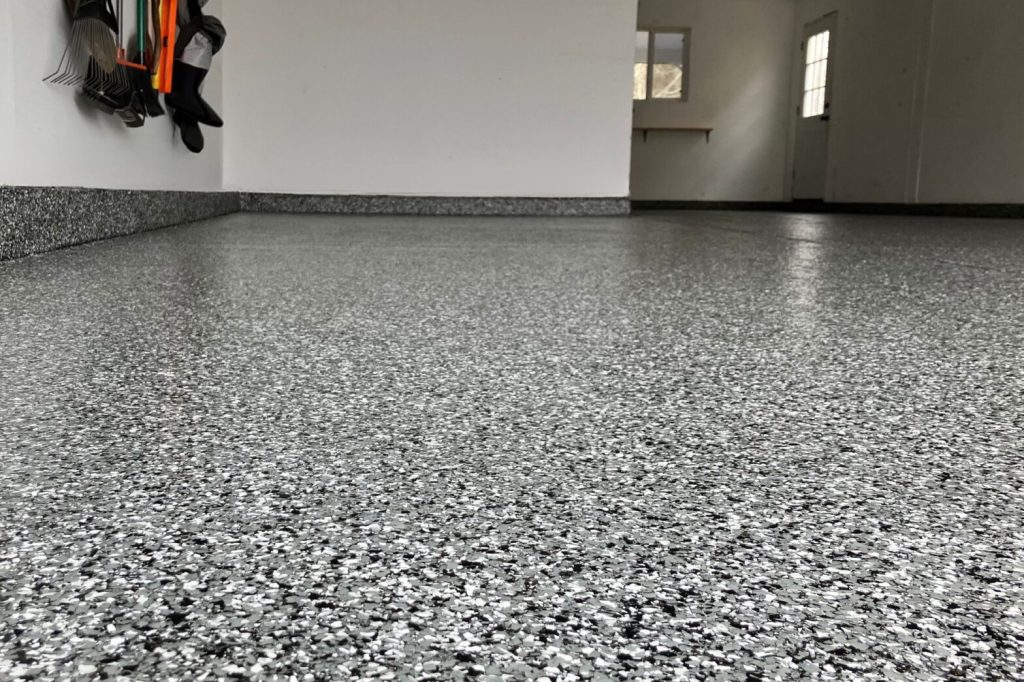
Epoxy flooring continues to be a top pick for homes, businesses, and industrial facilities due to its resilience, visual impact, and budget-friendly nature. Yet, even the toughest epoxy coatings can develop problems if installation or maintenance steps are overlooked. Issues like bubbling, peeling, discoloration, cracking, and uneven surfaces can undermine both the look and longevity of your floor, reducing your return on investment.
This guide dives deep into the most frequent epoxy floor problems, their root causes, and actionable solutions to help you achieve and maintain a flawless, professional finish. Whether you’re preparing for a new installation or troubleshooting an existing floor, these insights will empower you to make informed decisions and protect your investment.
1. Bubbling and Blistering: When Air Gets Trapped
Understanding the Problem
Bubbling or blistering happens when air or moisture becomes trapped beneath the epoxy layer, leading to raised spots that disrupt the smooth, seamless look of the floor.
Why It Happens
-
Inadequate surface cleaning or moisture on the substrate
-
Sudden shifts in temperature or humidity during application
-
Rushed or improper mixing of epoxy components
How to Prevent and Fix
-
Prep the surface thoroughly: Sweep, vacuum, and pressure wash to remove dust, debris, and moisture.
-
Maintain a controlled environment: Apply epoxy in stable temperatures and avoid working in direct sunlight or extreme conditions.
-
Mix epoxy slowly and carefully: Use a low-speed paddle mixer to minimize air pockets.
-
Repair existing bubbles: Sand down affected areas, clean, and reapply the epoxy for a seamless finish.
2. Peeling and Delamination: Loss of Adhesion
Understanding the Problem
Peeling or delamination occurs when the epoxy layer separates from the substrate or between coats, resulting in a patchy, uneven surface.
Why It Happens
-
Poor substrate preparation (grease, oil, or debris)
-
High moisture content in the concrete
-
Applying new coats before the previous layer has fully cured
How to Prevent and Fix
-
Clean and grind the surface: Remove all contaminants and roughen the substrate for better adhesion.
-
Test for moisture: Use a moisture meter and apply a vapor barrier if needed.
-
Follow curing guidelines: Allow each coat to cure fully before adding the next.
-
Repair peeling areas: Strip away damaged sections, clean, and reapply epoxy for a solid bond.
3. Discoloration and Yellowing: The Color Fade
Understanding the Problem
Over time, epoxy floors may develop yellowish or blotchy patches, especially in areas exposed to sunlight or harsh chemicals.
Why It Happens
-
Prolonged UV exposure
-
Using low-quality or non-UV-resistant epoxy
-
Exposure to harsh cleaning agents or spills
How to Prevent and Fix
-
Choose UV-stable epoxy: Opt for aliphatic or UV-resistant formulations for sun-exposed areas.
-
Apply a protective topcoat: Use a polyurethane or UV-resistant sealant to enhance color stability.
-
Clean gently: Stick to mild, pH-neutral cleaners to avoid chemical reactions.
-
Restore faded areas: Sand, clean, and reapply epoxy, sealing with a protective topcoat for lasting results.
4. Cracking and Chipping: Structural Weakness
Understanding the Problem
Cracks or chips can appear in epoxy floors due to impact, poor installation, or subpar materials, compromising both appearance and durability.
Why It Happens
-
Unrepaired cracks in the concrete substrate
-
Thin or uneven epoxy layers
-
Heavy impact from equipment or dropped objects
-
Using low-grade epoxy products
How to Prevent and Fix
-
Repair the substrate: Fill and patch any cracks in the concrete before applying epoxy.
-
Apply adequate thickness: Follow manufacturer guidelines for epoxy layer depth.
-
Use premium epoxy: Invest in high-quality, industrial-grade products for heavy-use areas.
-
Patch and protect: Use an epoxy patching kit for small damages and add protective mats in high-traffic zones.
5. Uneven Finish: Aesthetic and Functional Flaws
Understanding the Problem
An uneven finish can result in areas that are overly glossy, dull, or rough, affecting both the look and performance of the floor.
Why It Happens
-
Inconsistent application techniques
-
Poor distribution of epoxy
-
Inadequate mixing of components
-
Substrate imperfections or unevenness
How to Prevent and Fix
-
Level the substrate: Use a self-leveling compound to create a smooth base.
-
Apply epoxy evenly: Use a squeegee or roller designed for uniform coverage.
-
Mix thoroughly: Ensure all components are well-blended for consistent results.
-
Smooth out imperfections: Sand uneven areas and apply an additional coat for a flawless finish.
FAQs
1. What causes epoxy floors to bubble or blister?
Bubbling or blistering is often due to trapped air or moisture beneath the epoxy, poor surface prep, or environmental fluctuations. Prevent this by cleaning the surface thoroughly, controlling temperature and humidity, and mixing epoxy carefully. If bubbles form, sand, clean, and reapply the epoxy for a seamless result.
2. How can I stop epoxy floors from peeling or delaminating?
Peeling and delamination stem from poor substrate prep, moisture, or insufficient curing. Clean and grind the surface, use a vapor barrier if needed, and allow each coat to cure fully. Repair peeling areas by removing damaged sections, cleaning, and reapplying epoxy.
3. Why do epoxy floors yellow or discolor over time?
Yellowing is usually caused by UV exposure, low-quality epoxy, or harsh cleaning agents. Use UV-stable or aliphatic epoxy, apply a protective topcoat, and clean with mild products. If discoloration occurs, sand, reapply, and seal for lasting color.
4. What should I do if my epoxy floor cracks or chips?
Cracks and chips often result from poor substrate prep, thin epoxy layers, or impact. Repair cracks in the concrete before applying epoxy, use high-quality products, and patch small damages with an epoxy kit. Add protective mats in high-impact areas.
5. How do I achieve a smooth, even finish on my epoxy floor?
A smooth finish requires a level substrate, even application, and thorough mixing. Use a self-leveling compound, apply epoxy with a squeegee or roller, and sand any uneven areas. Apply an additional coat if needed for a flawless result.
If you’re looking for expert guidance and impeccable results, trust Cooley Brothers Painting. Our team specializes in professional epoxy floor installations and repairs to deliver perfection every time. Contact us today to transform your floors with confidence!

David Cooley, the esteemed owner of Cooley Brothers Painting, has established himself as a leading figure in the painting industry. With a rich history of delivering unparalleled service in Torrance, Manhattan Beach, Palos Verdes Estates, Redondo Beach, and Rolling Hills, his hands-on approach and dedication to quality have shaped Cooley Brothers Painting into a trusted name for exceptional painting services. With a focus on innovation, customer satisfaction, and community engagement, David’s leadership continues guiding his team toward new heights of excellence and reliability in every project.

