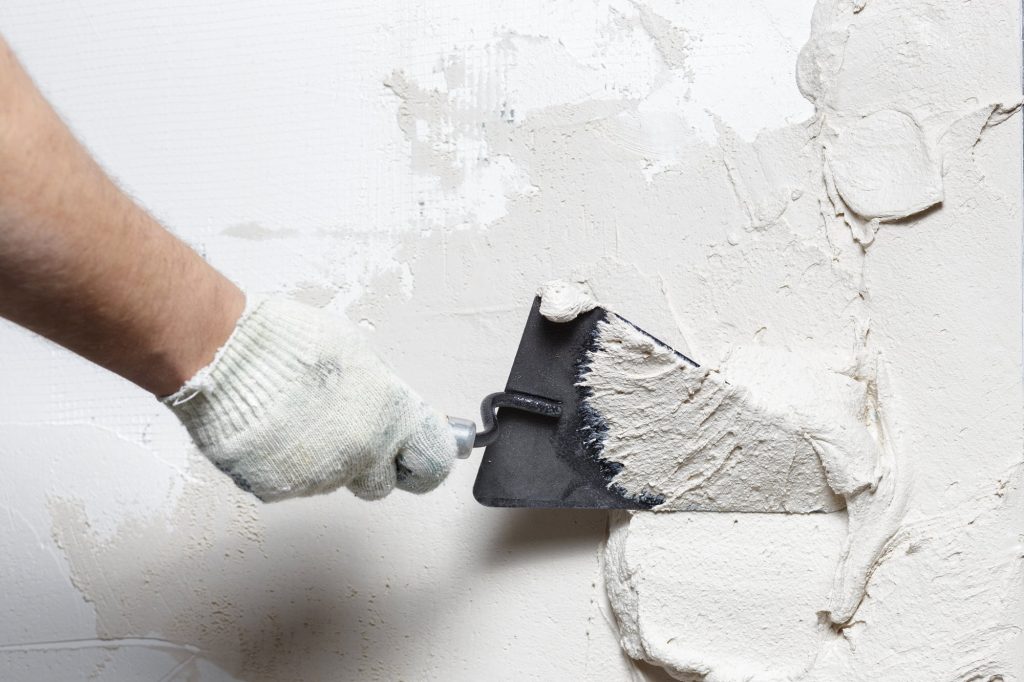

Stucco is a durable and attractive exterior finish that has been used for centuries to protect and beautify homes. While it’s known for its longevity and low maintenance, stucco isn’t immune to wear and tear. Cracks, chips, and water damage can compromise its appearance and structural integrity, necessitating timely repairs. Understanding the basics of stucco repair can help homeowners address these issues effectively, saving time and money in the long run. In this guide, we’ll explore the fundamentals of stucco repair, common problems, and best practices to ensure a flawless finish.
What Causes Stucco Damage?
Stucco damage can stem from various factors, many of which are preventable with proper maintenance. Here are some of the most common culprits:
Weather Extremes
Stucco is designed to withstand harsh conditions, but over time, repeated exposure to rain, sun, wind, and freezing temperatures can cause cracks and erosion. Moisture is particularly problematic, as it can seep into small cracks, freeze during colder months, and expand, exacerbating the damage.
Poor Installation
Improperly applied stucco is more prone to cracking and detachment. Issues like inadequate curing, improper layering, or failure to use the right materials can compromise its durability. If your stucco was not professionally installed, it’s more likely to develop problems.
Structural Movement
Houses naturally settle over time, and this movement can cause stress on the stucco surface. Small hairline cracks may form as a result of this structural shifting, which, if left unaddressed, can grow into larger problems.
Impact Damage
Accidental impacts from lawn equipment, sports, or other objects can chip or crack stucco. Even minor dents can lead to more significant issues if moisture penetrates the damaged area.
Types of Stucco Damage
Before embarking on any repairs, it’s crucial to grasp the various types of stucco damage. This understanding will serve as a compass, guiding homeowners toward the most effective repair approach.
Hairline Cracks
These small cracks are usually less than 1/16 of an inch wide and are often a result of minor structural shifts or weather changes. Hairline cracks are primarily cosmetic but should still be sealed to prevent water infiltration.
Larger Cracks
Cracks wider than 1/16 of an inch indicate more significant issues, such as improper installation or substantial structural movement. These cracks require more extensive repair techniques.
Chipping or Flaking
Stucco can chip or flake off due to impact or weather-related wear. These areas need patching to restore the surface and protect the underlying structure.
Moisture Damage
Dark stains, bubbling, or crumbling stucco often indicate moisture damage. This is a serious issue that requires immediate attention, as prolonged exposure to moisture can lead to mold growth and structural damage.
How to Repair Stucco Damage
Repairing stucco can be a straightforward DIY project for minor issues, but larger problems may require professional help. Here’s a step-by-step guide to tackling stucco repairs.
Assess the Damage
Before starting any repairs, inspect the stucco thoroughly. Identify the type and extent of the damage. For widespread or severe issues, consult a professional to ensure the underlying cause is addressed.
Gather Materials
For most stucco repairs, you’ll need the following tools and materials:
- Stucco patching compound
- Trowel or putty knife
- Wire brush
- Caulking gun (for small cracks)
- Sandpaper
- Protective gloves
- Exterior paint (to match existing stucco color)
Prepare the Area
Proper preparation is crucial for a successful repair:
- Clean the Surface: Use a wire brush to remove loose stucco, dirt, and debris from the damaged area.
- Wet the Area: Lightly mist the repair area with water to prevent the existing stucco from absorbing moisture from the patching material too quickly.
Repair Small Cracks
For hairline cracks, a simple caulking method works well:
- Fill the crack with a high-quality exterior caulk that matches your stucco’s color.
- Smooth the caulk with your finger or a damp cloth.
- Allow it to dry completely before painting if needed.
Repair Larger Cracks and Chips
For wider cracks and chipped areas:
- Apply a premixed stucco patching compound using a trowel or putty knife.
- Spread the compound evenly, feathering the edges to blend with the surrounding stucco.
- Allow it to dry according to the manufacturer’s instructions.
- Sand the area lightly for a smoother finish, if necessary.
Address Moisture Damage
Moisture-damaged stucco often requires removing the compromised material and replacing it with new stucco:
- Remove all soft, crumbling material using a hammer and chisel.
- Ensure the underlying surface is dry and free of mold or mildew.
- Apply a bonding agent before adding new stucco in layers, allowing each layer to cure correctly.
Paint and Seal
Once the repairs are complete and dry, repaint the area with exterior paint that matches the existing stucco. Use a paint with built-in weather resistance for added protection.
When to Call a Professional
While many minor stucco repairs can be handled by homeowners, certain situations warrant professional intervention:
- Extensive Cracks or Damage: If cracks span large sections of your home’s exterior or are more expansive than 1/4 inch, consult an expert.
- Structural Issues: If you suspect the damage is caused by foundational problems, a professional assessment is necessary.
- Severe Moisture Damage: Addressing underlying moisture issues often requires specialized tools and expertise to prevent recurring problems.
- Matching Textures: Achieving a seamless match with existing stucco textures can be challenging for DIYers. Professionals have the skills to ensure a flawless finish.
Preventing Future Stucco Damage
Prevention is key to extending the life of your stucco and avoiding costly repairs. Here are some maintenance tips:
- Inspect Regularly: Conduct routine inspections to catch minor issues before they worsen.
- Seal Cracks Promptly: Address hairline cracks as soon as they appear to prevent water infiltration.
- Keep Gutters Clean: Ensure your gutters and downspouts are functioning correctly to direct water away from your home.
- Maintain Landscaping: Keep plants and shrubs trimmed back to allow for proper air circulation and reduce moisture exposure.
- Repaint Periodically: Repainting your stucco every 5-7 years provides an additional layer of protection against the elements.
Stucco repair, while it may seem daunting, is a manageable task. By understanding the common causes of damage, identifying the type of issue, and following proper repair techniques, homeowners can restore their stucco to its original beauty and functionality. For more extensive or complex repairs, seeking professional assistance ensures the job is done right the first time. With regular maintenance and timely repairs, stucco, a resilient and protective exterior finish, can continue to enhance your home for decades to come. At Cooley Brothers Painting, we specialize in expert stucco repair services that ensure quality and peace of mind. Contact us today to restore and maintain the beauty of your home’s exterior with the care it deserves!

David Cooley, the esteemed owner of Cooley Brothers Painting, has established himself as a leading figure in the painting industry. With a rich history of delivering unparalleled service in Torrance, Manhattan Beach, Palos Verdes Estates, Redondo Beach, and Rolling Hills, his hands-on approach and dedication to quality have shaped Cooley Brothers Painting into a trusted name for exceptional painting services. With a focus on innovation, customer satisfaction, and community engagement, David’s leadership continues guiding his team toward new heights of excellence and reliability in every project.