
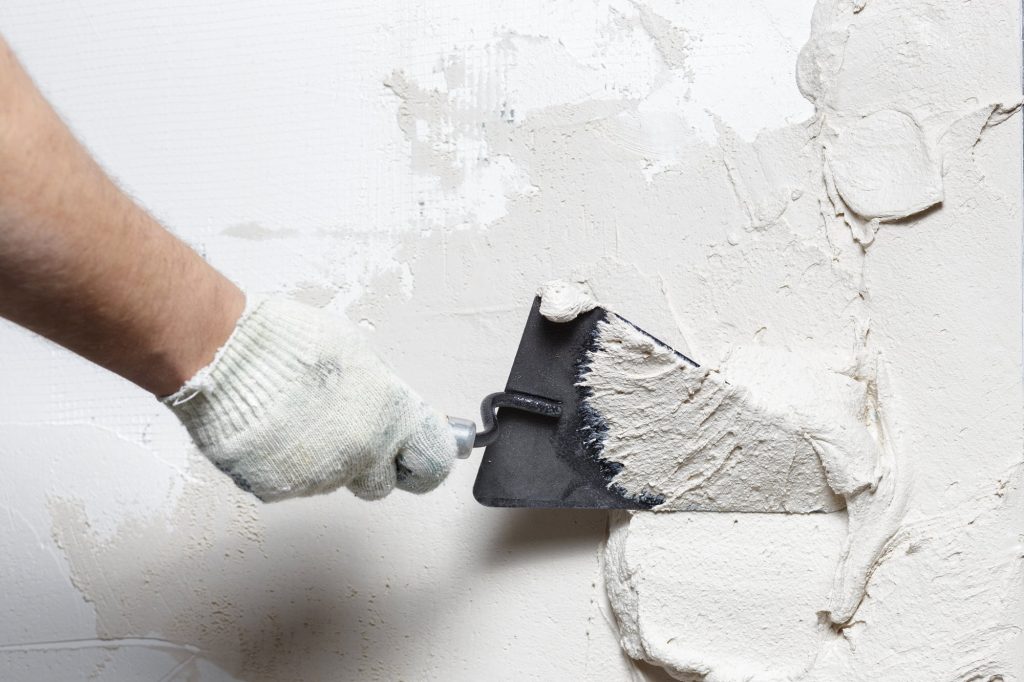
Stucco is a timeless exterior finish that offers both durability and aesthetic appeal. However, it is not impervious to damage. Repairs to stucco—whether to fix cracks, chips, or moisture-related issues—are crucial for maintaining its structural integrity and visual appeal. Yet, many homeowners overlook a critical step after repairing stucco: sealing it. Sealing stucco ensures longevity, enhances its resistance to weather, and prevents future problems. In this comprehensive guide, we will explore why sealing stucco after repairs is essential, how to choose the right sealer, and the steps to ensure a professional finish.
Why Sealing Stucco is Essential
Sealing stucco is about more than just appearance. It provides long-term protection against various external factors that can compromise your home’s structure. Here are some key reasons why sealing is vital:
Protects Against Moisture
Stucco is porous by nature, which means it can absorb water if left unsealed. When moisture seeps into stucco, it can lead to problems such as mold growth, staining, and even structural damage. A high-quality sealer creates a waterproof barrier, preventing these issues. Not sealing stucco after repairs can lead to these problems, potentially causing costly and extensive damage to your home. By sealing your stucco, you can enjoy the peace of mind that comes with knowing your home is protected.
Enhances Durability
Sealing stucco increases its ability to withstand harsh weather conditions, including heavy rain, snow, and intense UV rays. This added protection minimizes the risk of cracks and erosion, especially in areas prone to extreme temperature changes.
Prevents Stains and Discoloration
Unsealed stucco is more susceptible to dirt, grime, and pollutants, which can lead to unsightly stains over time. Sealing creates a smooth surface that is easier to clean and helps maintain the stucco’s original color and texture.
Improves Energy Efficiency
Sealed stucco can also improve your home’s energy efficiency. By preventing moisture intrusion and insulating better, sealed stucco can help regulate indoor temperatures, reducing the need for excessive heating or cooling and thereby reducing energy costs. In addition, the use of environmentally friendly sealers can minimize the environmental impact of this maintenance task. The initial cost of sealing stucco is [cost of sealing stucco], but the potential savings in energy costs over time can make this a worthwhile investment.
Extends Repair Longevity
Repairs made to stucco surfaces are more durable when sealed. The sealer locks in the patching material and ensures that repairs last longer without the risk of further cracking or deterioration.
Choosing the Right Stucco Sealer
Not all sealers are created equal. Selecting the right one for your stucco repairs is crucial to achieving the desired results. Here are some factors to consider when choosing a sealer, empowering you with the knowledge to make the best decision for your home. By understanding these factors, you can take control of the sealing process and ensure the best outcome for your stucco.
Type of Sealer
There are two primary types of stucco sealers:
- Penetrating Sealers: These are absorbed into the stucco and provide protection from within. They are excellent for maintaining a natural look while offering strong water resistance.
- Film-Forming Sealers: These create a protective layer on the surface of the stucco. They are ideal for areas that need enhanced durability and stain resistance, but they may alter the texture or finish.
Breathability
Stucco needs to breathe to allow trapped moisture to escape. Choose a sealer that provides water resistance while still allowing vapor to pass through. Non-breathable sealers can trap moisture and lead to damage over time.
UV Resistance
If your stucco is exposed to direct sunlight, opt for a sealer with UV-resistant properties. This will prevent discoloration and degradation caused by prolonged sun exposure.
Compatibility
Ensure the sealer is compatible with the type of stucco on your home. Some sealers are designed specifically for acrylic stucco, while others work better with traditional cement-based stucco.
Longevity
Consider the lifespan of the sealer. High-quality sealers may cost more upfront but offer better long-term protection, reducing the need for frequent reapplications.
Step-by-Step Guide to Sealing Stucco
Sealing stucco is a straightforward process, but attention to detail is crucial for achieving the best results. Follow these steps for a successful application, and feel the satisfaction and pride of a job well done. By following these steps, you can take pride in knowing that you’ve protected your home and enhanced its beauty.
Prepare the Surface
Preparation is key to ensuring the sealer adheres properly:
- Clean the Stucco: Remove any dirt, debris, or grease using a pressure washer or a soft-bristle brush with mild detergent. Allow the stucco to dry completely.
- Inspect for Damage: Check for cracks, chips, or other imperfections. Ensure all repairs are complete and fully cured before proceeding.
- Mask Surrounding Areas: Use painter’s tape to protect windows, doors, and other surfaces you don’t want to seal.
Choose the Right Tools
The tools you need depend on the type of sealer you’re using. Common options include:
- A garden sprayer for penetrating sealers
- A paint roller or brush for film-forming sealers
- A sponge for small, detailed areas
Apply the Sealer
Follow the manufacturer’s instructions for application:
- Test a Small Area First: Apply the sealer to an inconspicuous spot to ensure compatibility and the desired finish.
- Start at the Top: Begin sealing from the top of the wall and work your way down to prevent streaks and drips.
- Apply Evenly: Use steady, overlapping strokes to ensure even coverage. For penetrating sealers, apply until the stucco is saturated but not dripping.
Allow to Dry
Drying times vary depending on the type of sealer and weather conditions. Avoid touching or exposing the sealed surface to moisture until it has fully cured.
Inspect and Reapply if Necessary
Once the sealer has dried, inspect the surface for missed spots or uneven areas. Apply a second coat if recommended by the manufacturer.
Common Mistakes to Avoid
Even minor errors can compromise the effectiveness of the sealing process. Avoid these common mistakes:
Skipping Cleaning
Applying a sealer over a dirty surface can lead to poor adhesion and uneven results. Always clean the stucco thoroughly before sealing.
Sealing Too Soon After Repairs
Allow ample curing time for stucco repairs before sealing. Sealing too soon can trap moisture and weaken the repair.
Using the Wrong Sealer
Using an incompatible or low-quality sealer can do more harm than good. Research and select the best product for your specific needs.
Uneven Application
Rushing the process or neglecting certain areas can lead to patchy protection. Take your time to ensure thorough and even coverage.
Ignoring Safety Precautions
Some sealers emit strong fumes. Always work in a well-ventilated area and wear protective gear, such as gloves and goggles.
Maintaining Sealed Stucco
Sealing is not a one-time task. To maintain the benefits of a sealed stucco surface, follow these maintenance tips:
- Regular Cleaning: Wash the stucco periodically to remove dirt and grime.
- Inspect Annually: Check for cracks, discoloration, or signs of wear, and reapply sealer as needed.
- Address Issues Promptly: Repair any new damage quickly to prevent it from spreading.
- Reapply Sealer as Recommended: Most sealers need reapplication every 3-7 years, depending on the product and exposure conditions.
Sealing stucco after repairs is crucial in preserving your home’s exterior and preventing future damage. By choosing the right sealer, following proper application techniques, and maintaining the sealed surface, you can ensure that your stucco remains durable, attractive, and well-protected for years to come. Whether you’re tackling the project yourself or hiring a professional, sealing your stucco is a worthwhile investment in your home’s longevity and value. Cooley Brothers Painting, provides expert stucco sealing services tailored to safeguard your home and keep it looking its best. Contact us today to give your stucco the protection it deserves!
FAQs
-
Why is sealing stucco after repairs more than a “finishing touch”?
Sealing isn’t cosmetic—it’s the moment your repair becomes a system, not a patch. Because stucco is naturally porous, unsealed areas can absorb water that leads to staining, mold, and even deeper structural issues over time. A quality sealer adds a protective barrier, helping your repair last and your exterior stay consistent. -
What’s the hidden risk of sealing stucco too soon after a repair?
The temptation is to seal right after patching, but that timing can backfire. If the repair hasn’t fully cured and you seal early, you can trap moisture inside the stucco layer. That trapped moisture can weaken the repair and contribute to long-term deterioration instead of preventing it. Patience protects the work. -
Which matters more: waterproofing or letting stucco “breathe”?
Both—but breathability is the nuance most people miss. Stucco needs to release vapor, so the best sealers resist bulk water while still allowing trapped moisture to escape. Non-breathable products can lock moisture in and create damage over time. Think of it like a raincoat that still vents heat. -
How do penetrating and film-forming sealers change the outcome of repairs?
Penetrating sealers soak into stucco to protect from within and help preserve a natural look, while film-forming sealers create a surface layer for added durability and stain resistance. The tradeoff is that film-forming options may alter texture or finish. Your choice should match the look you want and the exposure your wall gets. -
If stucco is durable, why does it still need ongoing sealing and maintenance?
Durability doesn’t mean “set it and forget it.” Weather, UV exposure, and pollutants slowly wear protection down, making unsealed stucco more prone to discoloration and grime. Regular cleaning and annual inspection help you catch cracks or wear early, and many sealers need reapplication every few years for lasting performance.

David Cooley, the esteemed owner of Cooley Brothers Painting, has established himself as a leading figure in the painting industry. With a rich history of delivering unparalleled service in Torrance, Manhattan Beach, Palos Verdes Estates, Redondo Beach, and Rolling Hills, his hands-on approach and dedication to quality have shaped Cooley Brothers Painting into a trusted name for exceptional painting services. With a focus on innovation, customer satisfaction, and community engagement, David’s leadership continues guiding his team toward new heights of excellence and reliability in every project.
