
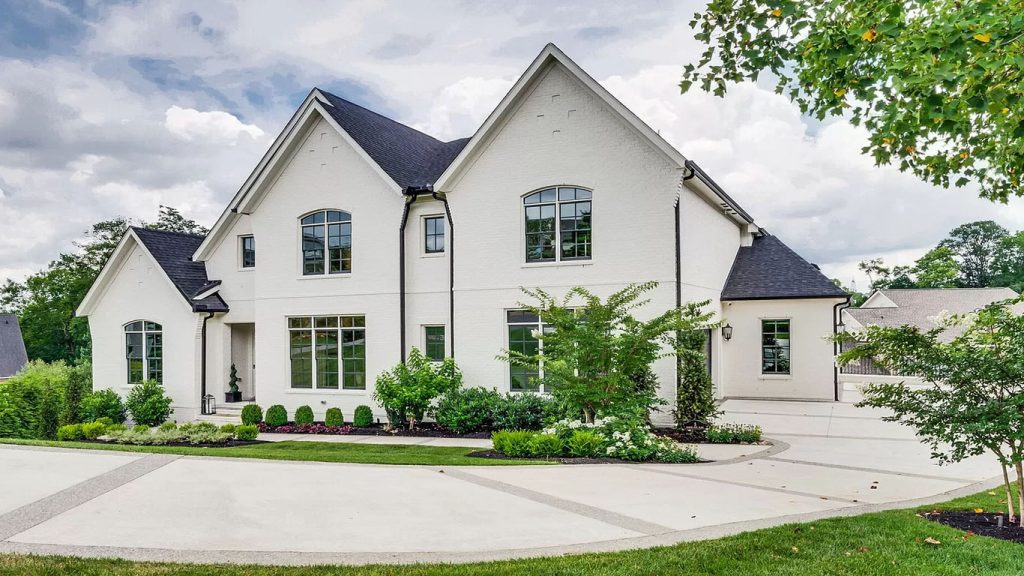
Embarking on a professional painting project, whether a charming Michigan cottage or a modern art studio, demands precision, from selecting suitable wood finishes to understanding the pressure of deadlines.
Mastering cost estimates is not just a skill. It’s a craft that, when honed, can bring immense satisfaction. It’s a foundational skill that bridges the client’s vision and the painter’s craftsmanship.
As a vital part of the painting industry, your ability to craft an accurate and fair estimate can set the stage for a successful project and a satisfied customer.
Keep reading to unlock the secrets of paint job cost estimations and learn to price confidently.
Understanding the Basics of Paint Job Costing
Stepping into professional painting services, I often discuss the intricacies of paint job estimates with clients.
Navigating this topic requires a clear understanding of what goes into a paint job and how it translates into costs.
When I converse with people searching for “paint contractors in my area” or those vetting commercial painting contractors for large-scale projects, I focus on delivering value without compromising quality.
Identifying the multiple types of paint jobs is the starting point—every project, whether a cozy bedroom or a sprawling office space, has unique demands. For instance, a standard repaint of a 10×10 room with a single color may cost around [$ X], while an elaborate decorative finish on the same room could increase the estimate to [$ Y].
On the one hand, we have standard repaints that refresh existing colors; on the other, elaborate decorative finishes call for a higher level of craftsmanship.
Similarly, paint quality plays a pivotal role; a single gallon of premium paint can have cost implications vastly different from those of its commercial-grade counterparts.
My goal as a company is to clarify these factors, equipping clients with the knowledge to make informed decisions that align with their visions and budgets.
Identifying the Types of Paint Jobs
When it comes to home improvement, interior painting is a transformative solution that only sometimes breaks the bank. In the bustle of New York City, whether you’re updating an apartment or adding a fresh coat to a retail space, distinguishing between a straightforward color change project and a more intricate endeavor involving texturing and custom designs is crucial.
Before I take on any new project, I must conduct a thorough background check on the purpose and condition of the surfaces to be painted. This allows me to determine whether a simple touch-up would suffice or if an initial primer layer is necessary to achieve the pristine finish my clients expect from a reliable and meticulous painting service.
Breaking Down Paint Quality and Costs
Delving into the elements that determine paint quality and costs, it’s imperative to recognize the different grades of paint and their impact on a project’s longevity. For instance, there are three main types of paint: flat, satin, and gloss. Flat paint is the cheapest and least durable, while gloss is the most expensive and most durable. Understanding these differences can help you make informed decisions about the type of paint to use in your projects.
From my experience, clients often overlook factors such as the additional investment in premium paints that may offer insurance against frequent touch-ups. A wise selection of paint, guided by a knowledgeable architect, ensures a balance between aesthetic appeal and cost-effectiveness in the long term.
- Examining the impact of paint grade on project longevity and warranty
- Assessing the value of investing in premium paints for lasting durability
- Consulting with professionals like architects to optimize the balance of beauty and budget
How to Measure Areas for Accurate Estimates
Measuring accurately lies at the heart of any successful paint project.
As a professional in my trade, the quality of my work is defined by the combination of detail-oriented precision and efficiency.
When planning interior spaces, calculating square footage forms the foundation of my estimates.
The numerical expression of a room’s dimensions guides my brush strokes.
In the digital space, as I experiment with textures and colors using tools like Painter 3D and Painter Adobe, I always ensure the translation from virtual to real maintains its integrity.
Understanding the layout of a building, inside and out, is not just about aesthetics; it’s about respecting the privacy of the spaces we inhabit.
Likewise, when I turn my attention to exterior surfaces, I measure with the same meticulous attention, ensuring every inch that will join under the stroke of my brush is accounted for.
Sharing insights with fellow paint pros, I aim to permanently cement trust and deliver precision, one accurate estimate at a time.
Calculating Square Footage for Interior Spaces
Measuring interior spaces accurately is vital for crafting a detailed estimate that home painters and clients can trust. As a painting contractor, it’s my responsibility to consider all surface areas, from the vast horizontal expanse of flooring to the vertical challenges presented by walls, often composed of materials like brick that influence the application process. To calculate the square footage of a room, you need to measure the length and width of the room and then multiply these two numbers together. For example, a room that is 10 feet long and 12 feet wide would have a square footage of 120 square feet.
Clear communication with homeowners is vital when explaining the significance of every measurement. It ensures there are no surprises when the final invoice is presented: the square footage of flooring dictates the amount of cover needed. At the same time, the brick walls require special consideration due to their texture and porosity:
- Discuss surface materials with clients to ensure understanding
- Measure each area precisely, accounting for texture and material
- Document every p to support transparent communication
Estimating Exterior Surface Area Correctly
Calculating the exterior surface area with precision is as significant to our well-being as health is to our well-being. Just as one consults health experts, homeowners must rely on the expertise of professional painters in my area to ensure every contour and feature of their home’s facade is accounted for. Trusted names like CertaPro Painters have honed this process, guaranteeing that quotes reflect the actual work required for a given space.
Accurate estimates for home painting often hinge on understanding how different external elements can affect the labor and materials needed. When approaching the exterior of any room or section, the unique characteristics such as siding materials, architectural details, and weather exposure necessitate a meticulous assessment:
- Assess and document the condition of siding materials
- Factor in special architectural features requiring extra care
- Consider the direct impact of local weather on the paint job
Key Factors That Influence Painting Costs
As we delve deeper into the nitty-gritty of paint job cost estimation, let’s focus on factors such as preparation and labor rates—two pillars that can significantly sway your total cost.
Preparation work is just as crucial as the painting itself; the labor involved in prepping a surface, whether smoothing out concrete imperfections or protecting valued possessions in a home, reflects directly in the estimate. Preparation work includes tasks such as cleaning the surface, removing old paint, and repairing any damage. The more preparation work that is required, the higher the labor cost will be.
Meanwhile, labor rates fluctuate widely based on various influences, such as the construction’s location and the auto painter’s reputation. Other factors that can influence labor rates include the complexity of the job, the number of workers required, and the time of year. For example, labor rates may be higher during the summer when there is more demand for painting services.
Scrutinizing these rates within the context of the job’s demands while adhering to a stringent privacy policy ensures that my estimates are accurate and upholds the trust clients place in my services.
Considering Prep Work in Your Estimate
As a seasoned professional in the painting industry, I’ve learned that prep work often dictates the success of a project, whether it is a building facelift or cabinet painting. This initial stage sets the stage for the entire job. When calculating cost estimates, I factor in the labor and materials required for meticulous surface preparation, as it is critical to achieving a flawless finish, especially in high-visibility areas fundamental to real estate value.
Immersed in the realm of house painters, it’s my responsibility to ensure every quote I provide is comprehensive, covering not just the paint and labor but also the essential preparation work. Surfaces must be assessed, cleaned, and primed as needed, and these steps are a vital component of any quote I give to protect the integrity of the building and the investment my clients are making into their properties.
The Impact of Labor Rates on Your Total Cost
In my line of work, running a painting business with an LLC structure, understanding how labor rates factor into the total cost of a paint job is fundamental. Whether it’s a quaint house painting project in the suburbs of Texas or a vibrant mural job in the heart of Denver, the cost of skilled labor can affect the overall affordability for my clients and the viability of the project for my business.
It’s my priority to remain transparent with my clients, so I always explain how labor rates are determined by the complexity of the job and the expertise of the painters involved. For example, in Texas, the labor costs might differ compared to Denver due to market conditions or the cost of living, and these factors ultimately steer my clients toward well-informed financial decisions for their house painting ventures.
Crafting Detailed Estimates for Clients
Nailing down an accurate cost estimate for a paint job is akin to assembling a puzzle. Every piece—from selecting the right materials to mapping the labor and overhead expenses—must fit perfectly to create a coherent picture.
It’s about sitting down with my clients, thoroughly reviewing the numbers, and ensuring no hidden surprises.
Clarifying every detail, whether in an itemized email address listing various paint grades or breaking down man-hours in the proposed terms of service, ensures that my residential painting clients are on the same page.
Providing clarity in estimates is much like painting a landscape – every element holds significance, contributing to the beauty and understanding of the overall scene.
Incorporating Materials, Labor, and Overhead
My approach to creating expert painting estimates is to assess the required materials’ specifics exhaustively, the cost associated with skilled labor, and the unavoidable overhead expenses. Accuracy is key, which means considering the particular type of paint needed—whether it’s resistant to mold or suited for a high-traffic area—to ensure longevity and aesthetic appeal.
Understanding that the workforce composition, blending seasoned professionals with those still honing their skills through apprenticeship, directly affects labor rates, I always factor this into my estimates. This fine-grained precision in calculating labor costs means my clients are well-informed of the investment required to transform their spaces with confidence and quality assurance.
Presenting Estimates Clearly to Avoid Confusion
I prioritize clarity in every document I generate to mitigate confusion and ensure that every estimate is interpreted accurately. When presenting the proposal, either in person or through my website, I keep my language concise and my breakdowns transparent, allowing clients to navigate the complexities of the quote quickly. This approach leads to a smoother project initiation, enhancing trust between my trades and the client, whether on a quiet island or in the bustling heart of Miami.
Moreover, precise estimations act as a compass, guiding the client through the service process like a lighthouse leads ships to shore. I ensure that key areas, such as the scope of work, materials, and payment structure, are highlighted. My goal is to lead, not mislead, which strengthens my reputation and ability to win over clients by showing reliability right from the first interaction.
- Keep the language concise and breakdowns clear on estimates presented through websites or in person.
- Highlight the scope of work, materials, and payment structure clearly to guide clients effectively.
Tools and Software That Simplify Cost Estimation
In my journey providing professional painting services, I’ve embraced technology to streamline the estimation process. Harnessing the power of sophisticated software, I can quickly calculate the entire scope of a project, from baseboard to ceiling, with stunning accuracy. This saves precious time and gives my clients swift responses to their inquiries.
Collaborating with the International Union of Painters and Allied Trades has significantly improved my performance. The union’s resources have allowed me to access cutting-edge tools that factor in every nuance of contracting work. This translates into more competitive and precise estimates that honor clients’ trust in my hands.
As projects vary widely, I’ve learned the importance of customizable tools that adapt to different job requirements. Whether I’m detailing the painting of intricate moldings or calculating the surface area of exterior walls, the software allows me to alter parameters easily. My clients can contact me, knowing their unique needs will be efficiently assessed and accurately quoted.
Maintaining personal contact and providing tailored service remain cornerstones of my business. Despite the advantages of estimation software, I ensure that a skilled eye constantly reviews the final PS. Balancing technological efficiency with a personalized touch has affirmed my commitment to delivering top-quality project proposals in professional painting services.
Mastering paint job cost estimates is pivotal for delivering precise, trustworthy proposals to clients and ensuring every detail is noticed.
Through meticulous measurement and an informed selection of materials and paint qualities, professionals can provide transparent, detailed estimates that foster client confidence.
Acknowledging the variables of labor rates and prep work as significant contributors to overall costs enables painting contractors to craft accurate and competitive quotes.
A blend of technological tools and personal oversight forms the backbone of effective estimation, adeptly balancing speed with customization to meet client needs.
Mastering the cost estimates for a paint job is essential for budgeting and achieving your desired results. At Cooley Brothers Painting, our experienced team provides transparent, detailed estimates that consider all aspects of the project. Choosing our professional painters ensures top-quality workmanship and a finish that enhances your home’s appeal. Trust Cooley Brothers Painting to deliver accurate estimates and exceptional service, making your painting project stress-free and successful. Let us help you transform your home confidently and precisely, ensuring satisfaction from start to finish.

David Cooley, the esteemed owner of Cooley Brothers Painting, has established himself as a leading figure in the painting industry. With a rich history of delivering unparalleled service in Torrance, Manhattan Beach, Palos Verdes Estates, Redondo Beach, and Rolling Hills, his hands-on approach and dedication to quality have shaped Cooley Brothers Painting into a trusted name for exceptional painting services. With a focus on innovation, customer satisfaction, and community engagement, David’s leadership continues guiding his team toward new heights of excellence and reliability in every project.