
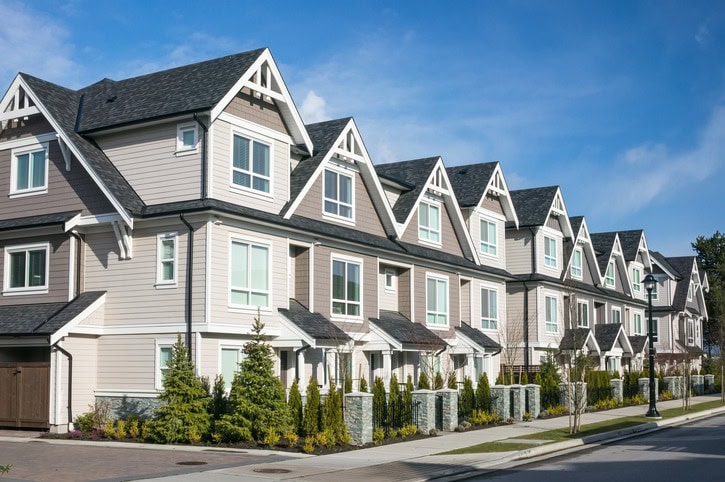
Living in a community governed by a Homeowners Association (HOA) means maintaining the neighborhood’s aesthetics and cohesion is a top priority. This is particularly true when it comes to exterior painting. While repainting your home may seem straightforward, it’s crucial to understand the specific guidelines and approval processes set by your HOA. This knowledge ensures compliance and empowers you to preserve harmony within the community and protect property values.
This blog dives into everything you need to know about HOA painting guidelines—from why they exist to how you can navigate the approval process smoothly. Whether you want to freshen up your home’s exterior or embark on a significant color change, this guide covers you.
1. Why Do HOAs Have Painting Guidelines?
HOA painting guidelines exist for several important reasons that go beyond simply telling homeowners what to do. These include:
- Preserving Curb Appeal: Consistent and complementary paint colors across the community help create an appealing visual aesthetic. This uniformity attracts potential buyers and enhances property values.
- Maintaining Property Values: A cohesive appearance often translates to higher property values. If one home stands out unappealingly, it could negatively impact the value of neighboring homes. This is why adhering to the HOA’s painting guidelines is crucial, as non-compliance could lead to disputes and potential decreases in property values.
- Protecting Architectural Integrity: Many HOAs preserve a neighborhood’s architectural style. For instance, the guidelines may encourage traditional color palettes if your community is predominantly colonial. If it’s a modern community, you might find more flexibility for bold colors. Painting guidelines help maintain the design integrity of these styles and ensure the unique character of your community is preserved.
- Minimizing Disputes: Clear rules ensure all homeowners are held to the same standards, reducing conflicts that could arise from differing interpretations of what is appropriate.
HOAs aim to balance individual creativity and the collective good of the community. Understanding the reasoning behind these guidelines can help you better appreciate their value.
2. Common HOA Painting Restrictions
While every HOA operates differently, there are several common restrictions that homeowners encounter when planning to paint their homes:
- Approved Color Palettes: Most HOAs provide a pre-approved list of colors or palettes. These colors complement the community’s overall aesthetic and ensure harmony between neighboring homes.
- Limitations on Accent Colors: While accent colors are allowed, there may be restrictions on how and where they can be used, such as for trim, doors, or shutters.
- Restrictions on Bright or Bold Colors: Neon or overly bold colors are typically prohibited as they can disrupt the visual consistency of the neighborhood.
- Specific Finish Requirements: Some HOAs specify whether homeowners should use matte, satin, or gloss finishes for different parts of their homes.
- Mandatory Repainting Cycles: HOAs may require homeowners to repaint their exteriors every few years to ensure the neighborhood maintains a fresh and well-maintained appearance.
Knowing these restrictions in advance can save you time and prevent costly mistakes. Always consult your HOA’s official documents before starting any painting project.
3. Navigating the HOA Approval Process
Getting approval for your painting project doesn’t have to be a headache if you approach it strategically. Follow these steps to streamline the process:
1. Review the HOA Guidelines Thoroughly
Before buying paint or hiring a contractor, obtain and review your HOA’s painting guidelines. These documents often include approved color palettes, application procedures, and timelines for submission.
2. Submit a Detailed Proposal
When applying for approval, provide as much detail as possible. Include the following:
- Paint brand and color codes
- Areas of the home to be painted (e.g., siding, trim, doors)
- A digital or physical mockup showing the proposed changes
- Contractor details (if applicable)
3. Respect Deadlines
Respecting Deadlines: Many HOAs require homeowners to submit painting proposals weeks or months before. Planning accordingly and respecting these deadlines demonstrates your responsibility and consideration for the community’s processes.
4. Be Open to Feedback
If the HOA board requests changes to your proposal, work with them to find a compromise. This flexibility shows your willingness to adhere to community standards.
By proactively engaging with your HOA, you can avoid misunderstandings and ensure your project is approved without unnecessary delays.
4. Tips for Choosing Colors Within HOA Guidelines
Selecting colors that align with HOA rules doesn’t mean sacrificing creativity. Here are some tips to help you choose a palette that complies with the regulations while enhancing your home’s appearance:
- Use the HOA-Approved Palette Creatively: Even within a limited palette, you can create a unique look by experimenting with color combinations for siding, trim, and accents.
- Consider Your Home’s Architectural Style: Choose colors that highlight your home’s design features. For example, a craftsman-style home might look best with earthy tones, while a modern home could shine with cool neutrals.
- Take Cues from Surrounding Homes: Observe the color schemes of nearby houses. Aim for complementary, not matching, colors to ensure your home stands out subtly without clashing.
- Test Paint Samples: Before committing, apply test swatches to see how the colors look in different lighting conditions. This step ensures you’re happy with your choice.
- Consult a Professional: If you’re unsure about color selection, consider hiring a professional color consultant. They can recommend combinations that satisfy HOA guidelines while enhancing your home’s curb appeal.
Consider your color choices to create a result that reflects your style while remaining compliant. Adhering to HOA painting guidelines is crucial for maintaining compliance and preserving your community’s aesthetic appeal. By understanding the rules and coordinating with your HOA, you can ensure a smooth painting process that enhances your home’s charm. Need guidance or expert help? Cooley Brothers Painting specializes in HOA-approved painting services and can help bring your vision to life while staying compliant. Contact us today to make your painting project stress-free and successful!
FAQs
1. Why does an HOA care so much about paint colors when it’s my house?
HOA painting rules exist to protect the neighborhood’s curb appeal, keep property values strong, preserve architectural character, and reduce neighbor-to-neighbor disputes. Instead of treating guidelines as “control,” think of them as a shared design agreement. When you understand the “why,” you can plan a paint refresh that feels personal while still fitting the community vision.
2. What HOA painting restrictions surprise homeowners the most?
Most people expect an approved color palette, but get caught off guard by finish requirements, limits on where accent colors can go, and bans on overly bold shades. Some HOAs also set mandatory repainting cycles to keep the community looking maintained. The surprise usually isn’t the rule itself—it’s the cost and delay when you discover it too late.
3. How do I get HOA approval without turning it into a multi-month standoff?
Start by reading the painting guidelines before choosing colors. Submit a detailed proposal with paint brand and color codes, exactly which areas you’ll paint, a mockup, and contractor details if needed. Plan around submission deadlines, then treat feedback like collaboration, not rejection. A clear, complete application often prevents back-and-forth delays.
4. How can I be creative if I’m stuck with an HOA-approved palette?
Creativity often lives in combinations, not unlimited options. Use the approved palette strategically across siding, trim, doors, and subtle accents to create contrast and depth. Match choices to your home’s architectural style, and aim for complementary harmony with nearby homes instead of copying them. Always test samples in different lighting before committing.
5. What’s the smartest way to avoid repainting twice because of an HOA mistake?
Avoid buying paint first and “asking later.” Review official rules, confirm colors and finishes, and document everything you submit so there’s a paper trail. Include mockups and exact color codes to prevent misunderstandings. If you’re unsure, consult a professional who understands HOA compliance—mistakes are expensive when repainting is the consequence, not a warning.

David Cooley, the esteemed owner of Cooley Brothers Painting, has established himself as a leading figure in the painting industry. With a rich history of delivering unparalleled service in Torrance, Manhattan Beach, Palos Verdes Estates, Redondo Beach, and Rolling Hills, his hands-on approach and dedication to quality have shaped Cooley Brothers Painting into a trusted name for exceptional painting services. With a focus on innovation, customer satisfaction, and community engagement, David’s leadership continues guiding his team toward new heights of excellence and reliability in every project.