
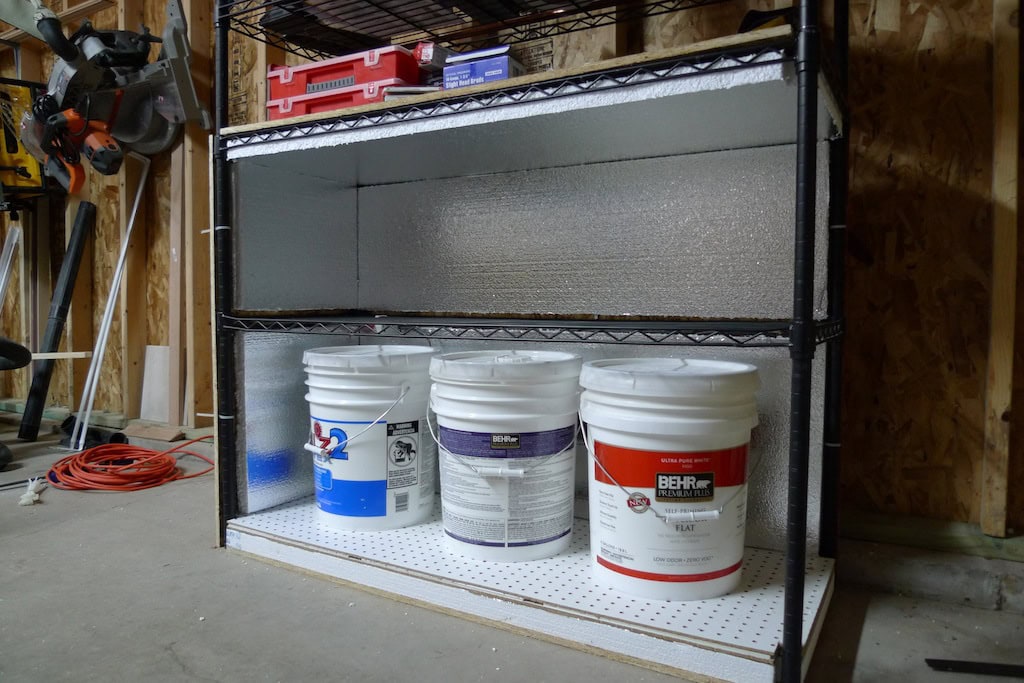
Winter can be particularly harsh, not just on your home and vehicle but also on the chemicals and paint stored in your garage, basement, or shed. Improper storage of these items can lead to freezing, spoilage, or even hazardous reactions. Whether you’re a DIY enthusiast or just want to preserve leftover paint from a recent project, it’s crucial to know the right way to store these substances when temperatures drop. In this article, we’ll walk you through the best practices for safely storing paint and chemicals during the winter months, helping you avoid waste, damage, and potential safety risks.
1. Why Proper Storage is Essential During Winter
Winter temperatures can wreak havoc on many types of paint and chemicals, causing them to freeze, separate, or lose their effectiveness. When water-based paints freeze, they tend to expand, which can result in cracked containers or altered consistency that renders the paint unusable. Likewise, various household chemicals, such as cleaners, solvents, and pesticides, can also deteriorate or pose safety risks if exposed to extreme cold.
Improper storage can lead to:
- Loss of product quality and effectiveness
- Increased risks of spills or leaks
- Potentially dangerous reactions, especially with volatile chemicals
- Environmental harm if containers break and leak harmful substances
Understanding the unique storage requirements of different materials is the first step in preventing these issues. By taking proper precautions, you can extend the shelf life of your products and ensure your home stays safe throughout the winter.
2. Best Places to Store Paint and Chemicals in Cold Weather
Not all storage spaces are equal, significantly, when temperatures drop. Certain areas of your home or property might be better suited for winter storage than others. Here are some of the best locations:
- Basement or Heated Garage: A temperature-controlled environment is ideal. Basements, heated garages, or utility rooms that remain above freezing temperatures offer the best protection for both paint and chemicals.
- Storage Shelves Away from Windows: Avoid placing paint or chemicals near windows or exterior walls where cold drafts may lower the temperature. Shelves in the center of your home or garage provide a more stable temperature.
- Indoor Utility Closet: If you’re storing only a few items, an indoor closet can work, as long as it’s away from sources of heat or ignition like furnaces or water heaters.
Places to avoid storing paint and chemicals during winter:
- Sheds: Outdoor sheds often experience extreme temperature fluctuations, making them an unsuitable location during winter.
- Unheated Garages: Even a partially protected area like an unheated garage may not be enough to prevent freezing.
- Attics: Attics often get very cold during winter and are not ideal for storing paint or chemicals.
3. Temperature Guidelines for Storing Different Paints and Chemicals
Each product has its own ideal storage temperature range, and failing to maintain this can ruin it. Here’s a general guide to follow:
- Water-Based Paints (Latex or Acrylic): These types of paints can freeze if exposed to temperatures below 32°F (0°C). Ideally, they should be stored at temperatures between 50°F to 85°F (10°C to 29°C).
- Oil-Based Paints: Oil-based paints are more resistant to freezing, but they are still vulnerable to damage from cold temperatures. Store them at 40°F to 90°F (4°C to 32°C).
- Household Cleaners and Solvents: Many household chemicals, such as bleach and ammonia, should be kept in a controlled environment, preferably above 50°F (10°C). Freezing may cause chemical separation or reduce their efficacy.
- Pesticides and Fertilizers: These chemicals are often sensitive to both heat and cold. Store them in a cool, dry place away from direct sunlight, ideally between 40°F to 85°F (4°C to 29°C).
- Flammable Chemicals (e.g., paint thinners, solvents): These chemicals are susceptible to temperature extremes and must be stored away from heat sources and in a space that doesn’t fall below freezing.
Essential Tip: Always check the manufacturer’s label on the container for specific temperature recommendations. If your paint or chemicals have been exposed to cold for extended periods, it’s essential to inspect them before using them again.
4. Proper Containers and Sealing Techniques
Even if you store your paint and chemicals in the right location, you need to ensure that the containers themselves are adequately sealed. Failing to do so can result in leaks, evaporation, or spoilage.
- Paint: For leftover paint, make sure the lid is tightly sealed. You can use plastic wrap or aluminum foil over the opening before putting the lid back on to provide extra protection. Storing cans upside down also helps create a tight seal, reducing air exposure.
- Household Chemicals: Keep chemicals in their original containers, ensuring that all caps and lids are firmly closed. If the original container is damaged, consider transferring the product to a container made of the same material.
- Flammable or Hazardous Materials: These items should always be kept in their original, labeled containers to prevent dangerous chemical reactions or accidents. Never transfer them to a food container, as this can be a significant safety hazard.
- Plastic Bins or Cabinets: Storing paint and chemicals inside plastic bins or cabinets can provide an extra layer of insulation and protection from temperature changes.
Essential Tip: Ensure that all containers are clearly labeled and, if necessary, add notes about temperature sensitivity. This will help you avoid accidental misuse and ensure the products are correctly stored year-round.
5. Additional Safety Considerations for Winter Storage
Storing paint and chemicals involves more than just keeping them from freezing. Safety is another important factor, especially in homes with children or pets. Here are some essential safety tips:
- Ventilation: Ensure that the storage area is well-ventilated to prevent the buildup of harmful fumes, especially when dealing with flammable or volatile substances.
- Avoid Proximity to Heat Sources: Paints, thinners, and chemicals can be highly flammable. Always store these items away from sources of heat or ignition, such as water heaters, furnaces, or space heaters.
- Use a Fireproof Storage Cabinet: If you store large quantities of flammable chemicals, consider investing in a fireproof cabinet for added safety.
- Keep Out of Reach of Children and Pets: Paints and chemicals can be toxic if ingested or inhaled. Store these items on high shelves or locked cabinets to prevent accidental exposure.
Key Tip: Regularly check on your stored items throughout the winter months to ensure no containers have cracked or leaked. A quick inspection can prevent more significant problems down the road.
Storing paint and chemicals properly during the winter months is essential for maintaining their effectiveness and ensuring safety in your home. Following the tips outlined in this guide, including storing products in temperature-controlled environments, properly sealing containers, and taking necessary safety precautions, you can protect your supplies from the harsh winter cold. A little preparation goes a long way in preserving your paint and chemicals, saving you money, and avoiding potential hazards.
Cooley Brothers Painting is your trusted partner for expert advice and top-notch services, ensuring your materials are well-preserved and ready for use when needed. Rely on us to keep your storage safe and efficient.

David Cooley, the esteemed owner of Cooley Brothers Painting, has established himself as a leading figure in the painting industry. With a rich history of delivering unparalleled service in Torrance, Manhattan Beach, Palos Verdes Estates, Redondo Beach, and Rolling Hills, his hands-on approach and dedication to quality have shaped Cooley Brothers Painting into a trusted name for exceptional painting services. With a focus on innovation, customer satisfaction, and community engagement, David’s leadership continues guiding his team toward new heights of excellence and reliability in every project.