Bold interior colors are a daring and exciting way to inject personality into your home. Venturing into bold color experimentation should be a fun and adventurous journey, not daunting. The line between a stunning masterpiece and a design disaster can be thin. Still, with the proper guidance, even the most enthusiastic DIY decorator can create a visually appealing home that reflects their unique style.
1. Start Small: Testing Colors Before Committing
Starting small and testing colors before committing is a powerful strategy that puts you in control. It’s a way to avoid the uncertainty of bold color experimentation and gain confidence in your design decisions. Begin with smaller spaces or accent walls to experiment with vibrant shades. This approach allows you to understand how a particular hue interacts with the room’s lighting, furnishings, and overall vibe without fully committing.
- Sample First: Purchase sample pots of paint and try them on a small section of your wall. Observe the color at different times of the day to see how it changes under natural and artificial light.
- Incorporate Temporary Décor: Use bold-colored throw pillows, rugs, or wall hangings to test your comfort level with the hue. This can give you a sense of how the color influences the room before applying it permanently.
- Focus on Accents: If you’re hesitant about large expanses of bold color, opt for accent pieces like a brightly painted chair or a colorful piece of artwork. This way, you get the pop of color you crave without overwhelming the space.
2. Understand Color Psychology
Understanding color psychology is key to successful interior design. It’s not just about choosing colors but about understanding how they can evoke powerful emotions and impact mood and perception. Mastering this knowledge will make you feel skilled and accomplished in your design choices.
- Choose Colors Wisely: For example, red is known to be energizing and stimulating, making it ideal for dining rooms but potentially overwhelming for a bedroom. Conversely, blue is calming and well-suited for relaxing areas like living rooms or bedrooms. Other bold colors like yellow for a cheerful vibe, or green for a refreshing feel, can also be considered.
- Set the Right Mood: Think about the purpose of the room and how you want people to feel when they enter. Do you want a vibrant and social space, or are you aiming for a serene and peaceful retreat? Your color choices should align with these goals.
- Combine with Neutrals: Balance bold colors with neutral tones like beige, gray, or white to avoid an overpowering effect. Neutrals can help tame the intensity of bold hues while maintaining a cohesive and sophisticated look.
3. Balance and Proportion Are Key
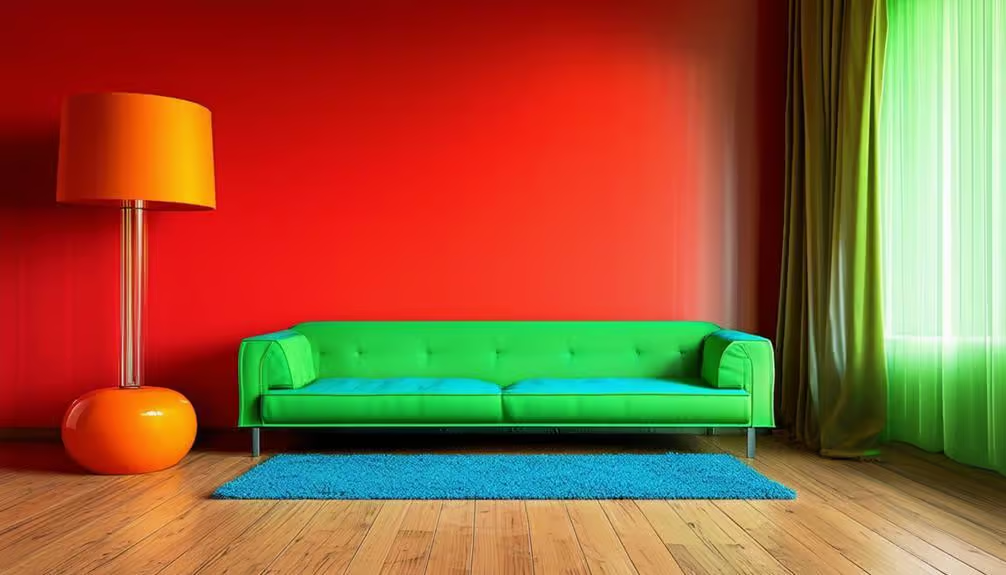
When using bold colors, achieving the right balance and proportion is crucial to avoid overwhelming the space. Properly distributing vibrant shades throughout a room ensures that it feels harmonious rather than chaotic.
- Follow the 60-30-10 Rule: This timeless interior design principle suggests using 60% of a dominant color, 30% of a secondary color, and 10% as an accent. If your bold color is the accent, use it sparingly in décor items, pillows, or artwork. For instance, if you have a predominantly blue room, you can use a secondary color like white for furniture and 10% of a bold color like red for accent pieces.
- Mix Bold with Subdued: If you love bold colors, consider pairing them with more subdued tones to create visual interest without overstimulation. For example, if you choose a rich emerald green, balance it with soft pastels or muted earth tones.
- Consider the Scale of the Room: Small spaces can feel claustrophobic with too many bold colors, while large rooms may appear cavernous if you don’t use strong colors to anchor them. Use color strategically to emphasize or de-emphasize certain areas.
4. Coordinate with Existing Elements
A common mistake in bold color experimentation is ignoring the existing design elements within a room. Bold hues must complement the furniture, flooring, and architectural features rather than clash with them.
- Assess Your Current Décor: Take stock of your furniture, artwork, and floor coverings. If your couch is a specific shade of blue, choosing a bold wall color in the same family can create a cohesive look.
- Work with Undertones: Every color has undertones that may be warm (yellow, orange, or red) or cool (blue, green, or violet). Make sure your chosen bold color has the same undertones as the other colors in the room for a harmonious effect.
- Consider Architectural Features: Elements like exposed brick, wooden beams, or ornate molding can either contrast beautifully or clash terribly with bold colors. Decide whether you want to highlight these features with a complementary hue or let them blend seamlessly into the background.
5. Use Bold Colors Thoughtfully in Open Floor Plans
Open floor plans present unique challenges for incorporating bold colors. With multiple areas flowing into one another, you need to think carefully about where and how to apply vibrant hues.
- Create Zones with Color: Use bold colors to define different zones within an open space, such as a distinct dining or living area. For example, you can use a bold color like red for the dining area and a more calming color like blue for the living area. Make sure the colors transition smoothly and don’t disrupt the overall flow of the space.
- Consider Sightlines: When choosing a bold color for one area, think about how it will look when viewed from other parts of the house. A bright orange accent wall in the living room may clash with a blue kitchen, so plan your palette with sightlines in mind.
- Keep Adjacent Spaces Neutral: To avoid overwhelming your senses, keep surrounding rooms neutral if one area has a bold color. This creates a visual break and allows your bold color to shine without competing with other strong hues.
Experimenting with bold interior colors can be an exciting way to personalize your home and make a statement. However, careful planning and thoughtful execution are essential to avoid common pitfalls. You can create a stunning and harmonious environment that feels just right by testing colors, understanding color psychology, balancing proportions, coordinating with existing décor, and strategically applying bold hues in open floor plans. Bold colors, when used well, can elevate your interior design and make your home reflect your unique style. Happy decorating!
FAQs
-
How can I “audition” a bold color without repainting my whole room?
Start with low-risk tests that still reveal the real impact. Paint large sample swatches and watch them shift in morning, noon, and evening light, then try the color through temporary décor like pillows, rugs, or art. If you’re nervous, begin with an accent wall or a single statement piece first. -
What emotional “job” should a bold color do in each space?
Bold color works best when it supports the room’s purpose, not just your favorite shade. Energizing colors can boost social spaces, while calmer hues suit rest zones; the key is matching mood to function. If intensity feels too loud, pair bold tones with neutrals to keep the feeling intentional, not chaotic. -
How do I keep bold colors from taking over the room visually?
Use structure, not guesswork. A simple guide is the 60-30-10 approach: dominant color, secondary support, and a smaller accent that pops. You can also mix vibrant hues with subdued tones and adjust for room size—small rooms can feel crowded fast, while large rooms may need bold color to feel grounded. -
Why do bold colors clash even when they look great on a paint chip?
Because the room is already “colored” by what’s in it. Furniture, floors, and features like brick or wood introduce undertones that can fight your new paint. Check whether your bold choice shares warm or cool undertones with existing elements, and decide if you want to highlight architectural details or let them blend in quietly. -
How can I use bold colors in an open floor plan without creating chaos?
Treat color like a zoning tool. Apply bold shades to define areas—like dining versus living—while keeping transitions smooth along main sightlines so one zone doesn’t visually crash into another. When one area goes strong, consider keeping nearby spaces more neutral to give the eye a place to rest.
Cooley Brothers Painting excels in applying bold color schemes with precision and creativity. Trust their expertise to guide your vision into reality, ensuring stunning results that enhance your home’s aesthetic. For your next project, consider Cooley Brothers Painting and experience a flawless, vibrant transformation.

David Cooley, the esteemed owner of Cooley Brothers Painting, has established himself as a leading figure in the painting industry. With a rich history of delivering unparalleled service in Torrance, Manhattan Beach, Palos Verdes Estates, Redondo Beach, and Rolling Hills, his hands-on approach and dedication to quality have shaped Cooley Brothers Painting into a trusted name for exceptional painting services. With a focus on innovation, customer satisfaction, and community engagement, David’s leadership continues guiding his team toward new heights of excellence and reliability in every project.