
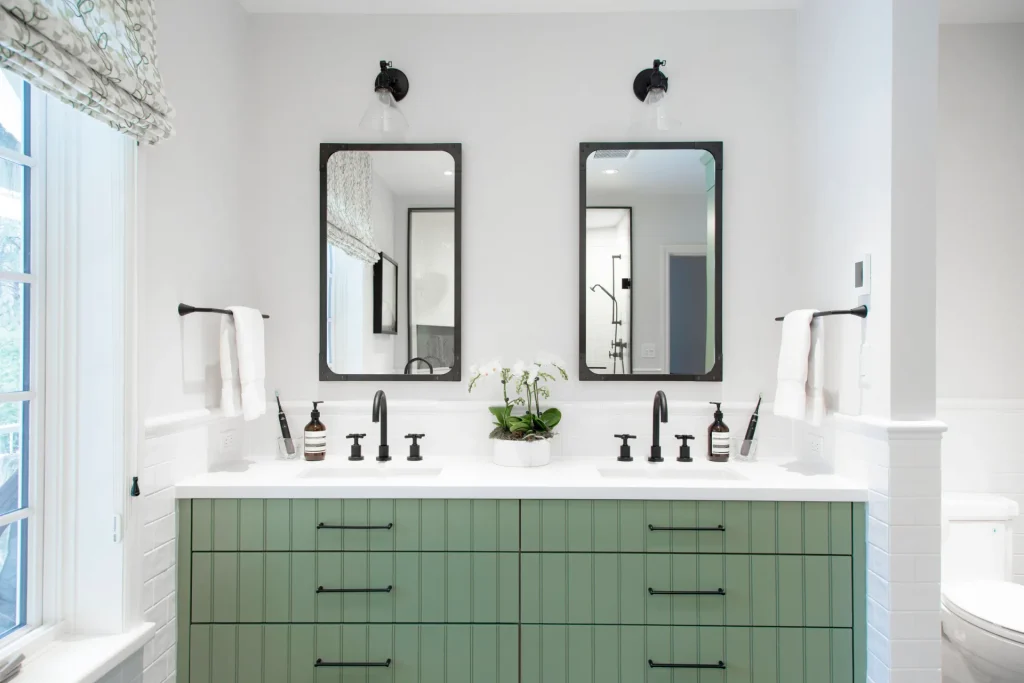
Painting bathroom cabinets is an excellent way to update your space without committing to an expensive renovation. However, bathrooms come with unique challenges—high humidity and frequent temperature fluctuations. If you’re not prepared to tackle these moisture-rich conditions, your new paint job can peel, bubble, or warp quickly. In this comprehensive guide, you’ll learn how to select the best materials, properly prep your cabinets, and apply a finish that will withstand moisture while still looking fabulous. Whether you’re a seasoned DIYer or a first-timer, these tips will help you achieve professional-looking results that last.
A beautifully painted bathroom cabinet has the power to completely transform the look and feel of your space, injecting life into an otherwise mundane vanity or storage unit. However, painting in a moisture-heavy environment requires careful planning and the right combination of materials to ensure durability. Excess humidity, water splashes, and constant temperature changes can degrade a paint job much faster in a bathroom than in any other room of the house.
This guide is designed to walk you through the entire process—from understanding the challenges posed by high-moisture environments to choosing the ideal paint formula and applying proven techniques. We’ll explore the critical steps of prep work, paint application, and post-paint maintenance so that your cabinets look just as good a year from now as they do on the day you paint them. By following these expert tips, you can sidestep common pitfalls like peeling paint, mildew growth, and unsightly bubbling. Ultimately, a well-executed paint job will not only enhance your bathroom’s aesthetic appeal but also increase its overall functionality and longevity.
Below, you’ll find a step-by-step approach to painting bathroom cabinets that can serve as your roadmap from start to finish. Let’s examine the factors you must consider when painting in a moisture-rich space and then move on to the preparation and application process.
1. Understanding the Impact of Moisture on Bathroom Cabinets
Humidity and Its Consequences
Bathrooms are notorious for their high humidity levels. Every shower or bath releases steam, raising the moisture content in the air. Over time, this extra humidity can cause wood or engineered wood (MDF, plywood, particleboard) to swell or warp. When moisture becomes trapped under layers of paint or seeps in through small cracks, it can lead to peeling, bubbling, or mildew formation.
Fluctuating Temperatures
In addition to humidity, bathrooms undergo frequent temperature changes. One moment, the space is filled with hot steam from a shower; moments later, it cools back to room temperature. These shifts can stress both the wood and paint layers. Paint not designed to expand, and contract can crack, exposing the wood or substrate to even more moisture.
Direct Water Contact
Let’s not forget the possibility of direct water contact, like splashes from a sink or tub. Accident spills can repeatedly wet the wood’s surface if your cabinet sits close to a water source (e.g., a vanity beside the sink). Over time, persistent exposure to standing water or drips can degrade paint finishes if not water-resistant.
Mold and Mildew Growth
Where there’s moisture, there’s the potential for mold and mildew. Poor ventilation (or none at all) exacerbates this problem. Mold can form quickly on cabinet surfaces, especially around hardware areas where water can pool. Not only is mold unsightly, but it can also be a health hazard.
Understanding the Takeaway of moisture is crucial. It underscores the importance of using paints, primers, and preparation techniques tailored to high-humidity areas. Without these, your cabinets may show signs of wear or damage within just a few months of your paint job.
2. Choosing the Right Paint for Moisture-Heavy Spaces
Prioritizing Moisture-Resistant Formulas
Choosing the right paint is one of the most critical decisions you’ll make. For bathroom cabinets, you want a paint that is:
- Moisture-Resistant: Helps fend off swelling, peeling, and other moisture-related damage.
- Mildew-Resistant: Typically includes mildewcide additives that help prevent mold growth.
- Scrubbable and Durable: Allows for easy cleaning without damaging the paint film.
Many paint brands label their products as “bathroom” or “kitchen and bath” paint. These formulas are engineered to withstand high humidity and frequent washing.
Oil-Based vs. Latex Paint
There was a time when oil-based paints were considered the gold standard for cabinets because of their durability and leveling properties. However, modern water-based latex paints have come a long way, offering both durability and easier cleanup with less odor and fewer harmful fumes. Oil-based paint can still be an option, but you’ll need mineral spirits for cleanup, and it generally emits more volatile organic compounds (VOCs). High-quality water-based acrylic or latex paints labeled as “trim and cabinet” or “door and trim” paints offer excellent adhesion and resistance in moist environments.
Pros of Water-Based Latex:
- Low odor and easy cleanup.
- Faster drying times.
- Environmentally friendlier and lower VOCs.
- Good flexibility to handle expanding/contracting surfaces.
Pros of Oil-Based:
- Self-leveling properties that minimize brush strokes.
- Extremely durable, ideal for heavy use.
- Hard finish that can resist chipping and scratching.
Paint Finish: Satin, Semi-Gloss, or Gloss
Finish plays a significant role in moisture resistance and cleaning ease:
- Satin Finish: Offers a subtle sheen and is relatively easy to clean, though not as reflective as semi-gloss or gloss.
- Semi-gloss finish: This is a popular choice for bathroom cabinets due to its balance of shine, durability, and ease of cleaning.
- High-Gloss Finish: The most reflective finish, offering superior moisture resistance and wipe-down capabilities. However, it also shows surface imperfections more readily.
Choosing between these finishes often comes down to aesthetic preference, but in a bathroom, semi-gloss or gloss is typically recommended due to their ability to repel moisture and resist staining.
Primer Selection
A high-quality primer is just as essential—if not more important—than the paint itself. Look for stain-blocking primers to prevent discoloration from water damage and bonding primers designed to adhere to slick or previously finished surfaces. Priming ensures better paint adhesion and can seal the wood or engineered substrate against moisture. Some paints come in a combined paint-and-primer formula. Still, a dedicated primer coat can be a safer bet for bathroom cabinets, especially if the existing finish is glossy or if you’re covering darker colors.
Key Takeaway: Investing in high-quality, moisture-resistant paint and the right primer can dramatically extend the lifespan of your bathroom cabinets. A few extra dollars spent now can prevent peeling paint and ongoing maintenance headaches.
3. Preparing Your Bathroom Cabinets for Painting
Remove Doors, Drawers, and Hardware
Preparation is where many DIYers cut corners, but this step can make or break your final result. Start by removing cabinet doors and drawers, then take off all hardware, including hinges, handles, and knobs. Keep all these components in labeled bags so that reassembly is a breeze. If you skip this step and paint around the hardware, you risk uneven coverage and a less professional finish.
Clean Thoroughly
Bathrooms are prone to soap scum, mineral deposits, skin oils, and general grime. If you paint over these contaminants, the new paint may not adhere correctly. Use a degreasing cleaner or a mix of warm water and mild dish soap to thoroughly wipe down every surface—inside and out—of the cabinets. Pay special attention to corners and crevices where debris tends to hide. After cleaning, rinse the surfaces with clean water and let them dry completely.
Sanding and De-Glossing
Sanding is essential for creating a surface that the paint can properly grip. If you’re dealing with a previously finished cabinet (especially a glossy one), lightly sand the surface with fine-grit sandpaper (around 120-220 grit) to scuff the existing topcoat. This will help the new primer adhere. If the surface is highly glossy, consider using a liquid deglosser as an additional step.
After sanding, wipe down all surfaces with a damp or tack cloth to remove dust particles.
Repair and Fill Imperfections
Inspect the cabinet doors and frames for dents, dings, or holes. Fill these with a high-quality wood filler or putty designed for the cabinet’s material. Once the filler is dry, sand it smooth, then clean the surface. Even the most minor imperfections can become very noticeable once covered in paint, so take your time during this step.
Priming
Priming is non-negotiable in high-moisture environments. A bonding primer is essential if your cabinets are laminate or have a slick factory finish. Follow the manufacturer’s instructions for drying times, and consider lightly sanding between primer coats for the smoothest results. Two coats of primer may be beneficial if you cover a very dark color or if the bathroom cabinets show signs of previous water damage.
Key Takeaway: Rushing through or skipping prep work is the most significant factor in premature paint failure. Proper cleaning, sanding, and priming set the foundation for a durable, professional-looking finish.
4. Applying the Paint: Techniques for a Flawless Finish
Planning Your Workspace
Painting bathroom cabinets can be messy, so plan your workspace. Lay down drop cloths or plastic sheeting. Move doors and drawers to a well-ventilated area, like a garage. This will protect your floors and countertops and prevent dust and bathroom humidity from interfering with the drying process.
Brush, Roller, or Sprayer?
Choosing the best painting method depends on your level of experience and available tools:
- Brush: Brushes are suitable for detailed work, but brush strokes may be visible if not used carefully. Look for high-quality, angled brushes made for trim and cabinet painting.
- Mini Foam Roller: Delivers a smooth finish with fewer brush strokes, ideal for flat surfaces.
- Sprayer: Produces the smoothest, most professional finish. However, it requires more setup, space, and cleanup. If you have limited experience with sprayers, practice on scrap materials first.
Many DIYers use a combination of brush and roller: a brush for edges and corners and a mini foam roller for larger areas like door panels.
Techniques for Even Coverage
- Thin Coats: Applying multiple thin coats is far better than one thick coat. Thick coats can drip, run, or take too long to dry, trapping moisture.
- Lay Off the Paint: After using a roller, go over the surface with a brush in long, even strokes to “lay off” the paint. This helps remove roller texture and creates a smooth finish.
- Watch for Drips: Drips often form along edges and corners. Keep an eye on these areas and smooth them out immediately.
Drying and Curing Time
High humidity can lengthen drying times. Follow the paint manufacturer’s guidelines for minimum drying time between coats, but also allow extra time in a moist environment. Even if the paint feels dry, it needs time to cure and harden fully. Run an exhaust fan or dehumidifier to help with air circulation.
Apply at least two coats of paint for even coverage and durability. A third coat may be required for some projects, especially if you’re transitioning from a dark color to a lighter one.
Sealing or Topcoating
Some high-quality paints don’t necessarily require a separate sealer or topcoat, but in a bathroom, extra protection can prolong the life of your cabinets. A clear polyurethane or polyacrylic topcoat can shield against moisture, stains, and everyday wear. Polycrylic is water-based and less likely to yellow over time than oil-based polyurethane, making it a popular choice for lighter paint colors.
Key Takeaway: Patience is key during the painting process. Thin, even coats and adequate drying times will ensure a long-lasting finish that can withstand the challenges of a damp bathroom environment.
5. Maintenance and Care for Painted Bathroom Cabinets
Ventilation is Your Best Friend
After all your hard work, the best thing you can do to prolong the life of your bathroom cabinets is to control moisture levels. If your bathroom has an exhaust fan, use it frequently, especially when showering or bathing. Proper ventilation drastically cuts down on the humidity that leads to paint damage.
Regular Cleaning
Maintaining a clean cabinet surface not only keeps it looking fresh but also prevents the buildup of soap scum and mold. Wipe down the cabinets weekly with a soft, damp cloth. For stubborn spots, use a gentle, non-abrasive cleaner. Avoid harsh chemical sprays or scrub brushes that scratch or dull the paint.
Inspect and Repair Minor Damage Promptly
Accidents happen. If you spot a chip or scratch, address it immediately to prevent further damage or moisture penetration. Lightly sand the damaged area, apply primer if bare wood or substrate is exposed, and then touch up with the original paint. Quick attention to minor issues can prevent major, more costly repairs in the future.
Keep Cabinets Dry
Whenever you notice water splashes, especially around the sink or near the tub, wipe them up promptly. Even in small amounts, standing water can eventually seep through the paint if left unchecked. Make it a habit to keep countertops and cabinet surfaces as dry as possible.
Periodic Recoating
No paint job lasts forever, but a well-done application in a moisture-resistant formula can last several years. Watch for fading, discoloration, or loss of sheen. When it’s time to refresh, the process will be more straightforward if the cabinets have been well-maintained—often, just a light sanding and a new topcoat or paint coat will do the trick.
Key Takeaway: Proper maintenance—managed by controlling moisture, cleaning regularly, and addressing damage quickly—will keep your bathroom cabinets looking vibrant and fresh for years.
Painting bathroom cabinets in a moisture-heavy environment demands more care and attention than painting cabinets in other parts of the home. However, by selecting the right materials—like moisture-resistant primers and paints—and following meticulous preparation and application steps, you can create a stunning, long-lasting finish. Proper ventilation, routine cleaning, and prompt repairs are the trifecta of maintenance that will keep your newly painted cabinets as beautiful as the day you complete the project.
Whether upgrading your vanity with a soothing neutral tone or adding a pop of color for a bold design statement, remember that investing extra time and thought into each process stage will pay dividends. A successful bathroom cabinet paint job elevates the look of your space and protects your cabinetry from the damaging effects of constant humidity and temperature fluctuations. Following the expert tips in this guide, you’ll enjoy fresh, vibrant, and functional bathroom cabinets for years to come.
FAQs
1. Why does moisture sabotage bathroom cabinet paint jobs?
Moisture from showers causes wood to swell and warp, trapping humidity under paint layers that leads to bubbling, peeling, and mildew growth . Temperature swings exacerbate cracking, while direct splashes degrade finishes quickly. Thought-provokingly, could rethinking ventilation turn your steamy sanctuary into a paint-proof haven, challenging the idea that bathrooms doom DIY dreams? Proper prep defies humidity’s grip for enduring elegance.
2. What paint choices conquer high-humidity battles?
Opt for mildew-resistant, semi-gloss latex paints over oil-based for low-VOC ease and flexibility against expansion . Semi-gloss repels water superbly, unlike satin that succumbs to stains. Creatively, envision paint as armor—does selecting bonding primers seal victory over sneaky steam? These formulas transform vulnerable cabinets into resilient warriors, enduring baths without blistering.
3. How does skipping prep doom your cabinet refresh?
Neglecting degreasing, sanding, and priming lets grime and gloss repel new coats, inviting moisture invasion and failure . Imagine contaminants as hidden saboteurs—deglossing exposes them for defeat. Provocatively, is thorough prep the unsung hero, questioning if “quick fixes” in steamy spaces accelerate aesthetic apocalypse? Meticulous steps forge flawless, fortress-like finishes.
4. Which application tricks yield pro-level moisture mastery?
Layer thin coats with mini-rollers and brushes, laying off strokes to banish drips in humid air . Sprayers offer silkiness but demand practice. Uniquely, treat painting like a moisture chess game—anticipate humidity’s moves with extended curing via fans. This strategic patience crafts cabinets that mock splashes, gleaming for years.
5. Can maintenance make painted cabinets eternally youthful?
Ventilate relentlessly, wipe splashes instantly, and touch-up chips to block mold’s advance . Weekly gentle cleans preserve sheen without abrasion. Thought-provokingly, does proactive care invert decay’s narrative, pondering if bathrooms could nurture rather than neglect? This ritual elevates one-time paint to perpetual vibrancy amid vapor assaults.

David Cooley, the esteemed owner of Cooley Brothers Painting, has established himself as a leading figure in the painting industry. With a rich history of delivering unparalleled service in Torrance, Manhattan Beach, Palos Verdes Estates, Redondo Beach, and Rolling Hills, his hands-on approach and dedication to quality have shaped Cooley Brothers Painting into a trusted name for exceptional painting services. With a focus on innovation, customer satisfaction, and community engagement, David’s leadership continues guiding his team toward new heights of excellence and reliability in every project.