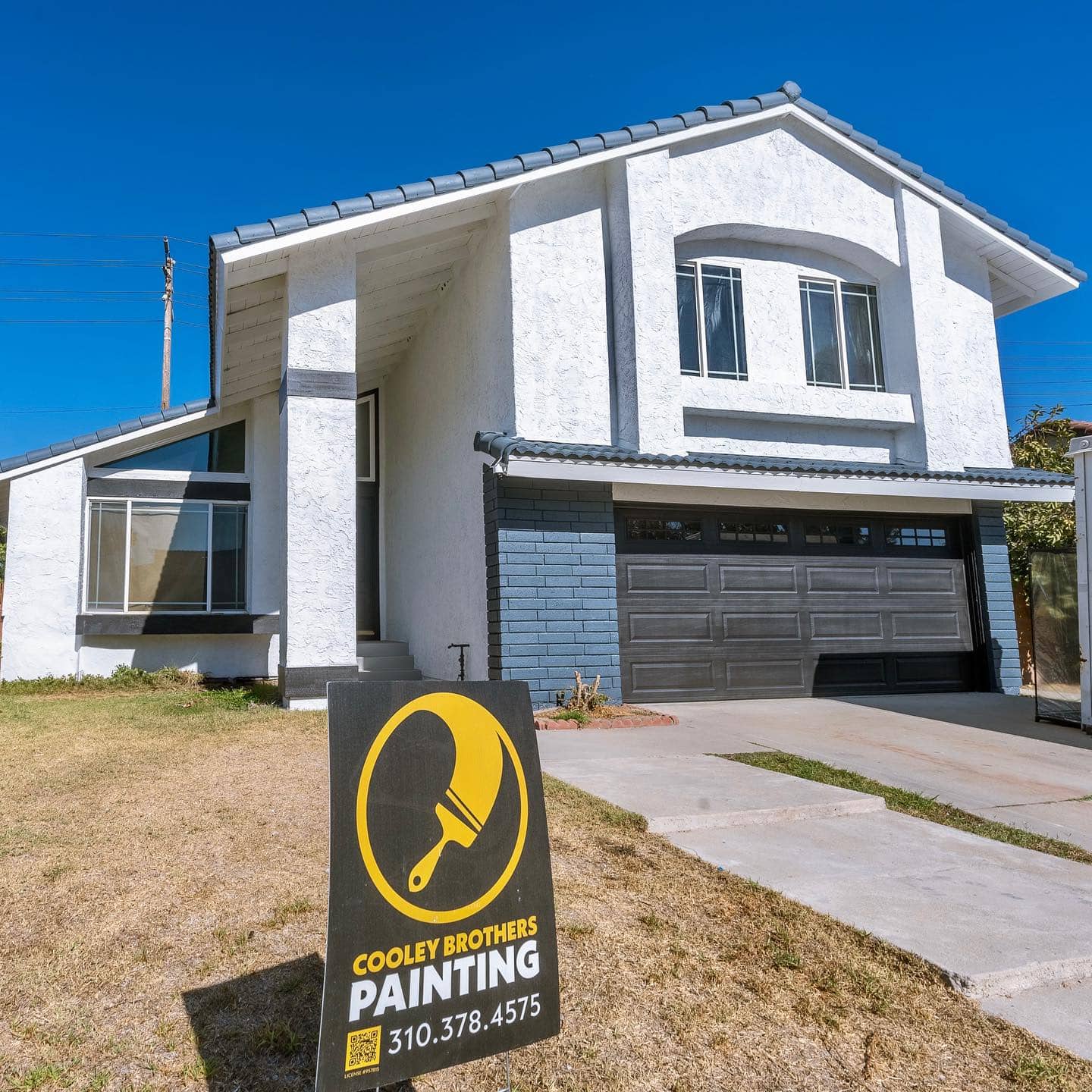
Picking colors for a whole community is harder than picking them for one home. Here’s what you’ll learn: how to build an HOA color scheme that wins approval, keeps residents happy, and holds up to the sun and marine layer in Rolling Hills Estates. (This guide is written for HOA boards and property managers.)
The best HOA paint colors in Rolling Hills Estates are cohesive, timeless palettes that respect the community’s architecture, satisfy the CC&Rs, and stand up to coastal sun and salt air. Winning approval means balancing resident preferences with consistency, testing colors on real buildings, and documenting the palette clearly. Get the process right — ideally with painters in Rolling Hills Estates who know the area — and the community looks unified for the next decade.
Why do HOA color schemes matter so much in Rolling Hills Estates?
In a community association, color isn’t just aesthetics — it’s property value and cohesion. A well-chosen, consistent palette makes the whole neighborhood feel maintained and upscale, which supports home values. A mismatched or dated scheme does the opposite.
That matters more here than in most cities. Rolling Hills Estates has about 30 neighborhood areas, each with its own character, architectural style, and homeowners association — from the condominium and townhome communities near Peninsula Center to single-family neighborhoods laced with bridle trails. The city incorporated in 1957 to protect its rural, equestrian feel of rolling hills, white three-rail fences, and open space, and colors that complement that landscape and the existing architecture tend to earn the smoothest approval.
What makes a good HOA color palette?
Strong community palettes share a few traits. Aim for:
- Cohesion — a limited set of coordinated body, trim, and accent colors
- Timelessness — muted, natural tones over trendy statement colors
- Flexibility — a few approved combinations so homes aren’t identical
- Context — colors that suit the architecture and landscape
- Durability — shades and coatings that resist coastal fading
How does the color approval process work?
Most associations route color decisions through the architectural review committee (ARC) and the board, guided by the CC&Rs, often with a resident comment period. Following a fair, documented process is what prevents disputes later. The Community Associations Institute offers helpful guidance on running architectural decisions transparently.
California law sets a floor for that process, too. When an individual owner applies to change a color, the Davis-Stirling Act (Civil Code §4765) requires the association to follow a fair, reasonable, and expeditious procedure and to issue its decision in writing — including the reason and a path to reconsideration if the request is denied. A pre-approved palette with clear written specs makes those owner requests quick to decide.
A good painting contractor supports approval by preparing large physical samples and painting test sections on actual buildings — critical because colors shift dramatically in Rolling Hills Estates’ bright, open light. For the homeowner’s side of the process, see our overview of HOA painting guidelines.
How do you present colors for approval?
Making the decision easy for the board and residents speeds approval. A clear presentation includes:
| Step | What to provide |
|---|---|
| Palette options | 2–3 coordinated schemes to choose from |
| Physical samples | Large drawdowns, not small chips |
| On-site test areas | Painted sections on real buildings |
| Written spec | Exact colors, brands, and placements |
| Approval record | Documented board/ARC sign-off |
Because community repaints are large, coordinated projects, they benefit from a contractor experienced in multi-family and HOA painting. Our breakdown of commercial and HOA repaint strategies shows how scope and sequencing come together, and our HOA board’s guide to repainting a community covers budgeting and scheduling.
Which HOA paint colors hold up best in Rolling Hills Estates?
Local conditions should shape the palette. Soft, natural tones — warm whites, greiges, sages, and muted earth tones — suit the Rolling Hills Estates setting, sit comfortably beside white rail fencing and mature trees, and hide dust and wear between repaints. Just as important, specify UV- and fade-resistant coatings, because strong sun and salt air break down color faster on the Palos Verdes Peninsula than inland.
Deep, saturated colors fade fastest, so if the community wants richer tones, reserve them for trim and accents where touch-ups are easier. For current color direction, see our look at exterior paint trends in Rolling Hills Estates, and for the coatings side, our exterior painting in Rolling Hills Estates page explains how we prep and protect local exteriors.
Planning your community’s palette
A smooth HOA color project comes down to a cohesive, coastal-appropriate palette, a fair and documented approval process, and durable coatings. The experienced house painters in Rolling Hills Estates at Cooley Brothers can help your board build a board-ready palette and test it on your actual buildings.
Schedule your community estimate in Rolling Hills Estates
Cooley Brothers Painting partners with HOA boards in Rolling Hills Estates and across the South Bay to choose durable, approvable color schemes and deliver smooth community repaints. We proudly serve Torrance and the Palos Verdes Peninsula / South Bay, CA, including Manhattan Beach, Palos Verdes Estates, Rancho Palos Verdes, Redondo Beach, Rolling Hills, and Rolling Hills Estates. Call (310) 378-4575 or visit our contact page to schedule your estimate.
Frequently Asked Questions
How does an HOA choose paint colors?
Most associations select from a few coordinated palette options through the architectural review committee and board, guided by the CC&Rs and often a resident comment period. Testing large samples on actual buildings and documenting the final choice keeps the process fair and dispute-free.
What colors get approved most easily in an HOA?
Cohesive, timeless, natural tones — warm whites, greiges, sages, and muted earth colors — tend to win approval because they suit most architecture and landscapes and don’t date quickly. Offering a few approved combinations gives variety without sacrificing consistency.
Who approves HOA paint colors in Rolling Hills Estates?
Typically the association’s architectural review committee and board, following the community’s CC&Rs, sometimes with a resident comment period. Rolling Hills Estates has about 30 neighborhood areas with their own homeowners associations, so the exact process varies by community. A contractor supports approval by providing large samples and on-building test sections so decision-makers see the true color.
What paint holds up best for HOA communities in Rolling Hills Estates?
UV- and fade-resistant, commercial-grade coatings are essential because strong sun and salt air break colors down faster on the Palos Verdes Peninsula than inland. Soft, natural tones also hide dust and wear better, extending the community’s fresh look between repaints.
Does Cooley Brothers help HOAs in Rolling Hills Estates pick colors?
Yes. We help boards develop cohesive, coastal-appropriate palettes, prepare large samples and on-building test areas for approval, and specify durable coatings. We provide board-ready proposals after walking the community.
 David Cooley
, the esteemed owner of Cooley Brothers Painting, has established himself as a leading figure in the painting industry. With a rich history of delivering unparalleled service in Torrance, Manhattan Beach, Palos Verdes Estates, Redondo Beach, and Rolling Hills, his hands-on approach and dedication to quality have shaped Cooley Brothers Painting into a trusted name for exceptional painting services. With a focus on innovation, customer satisfaction, and community engagement, David’s leadership continues guiding his team toward new heights of excellence and reliability in every project.

Family-owned painters in Torrance, CA since 2009. CA CSLB License #957815.