
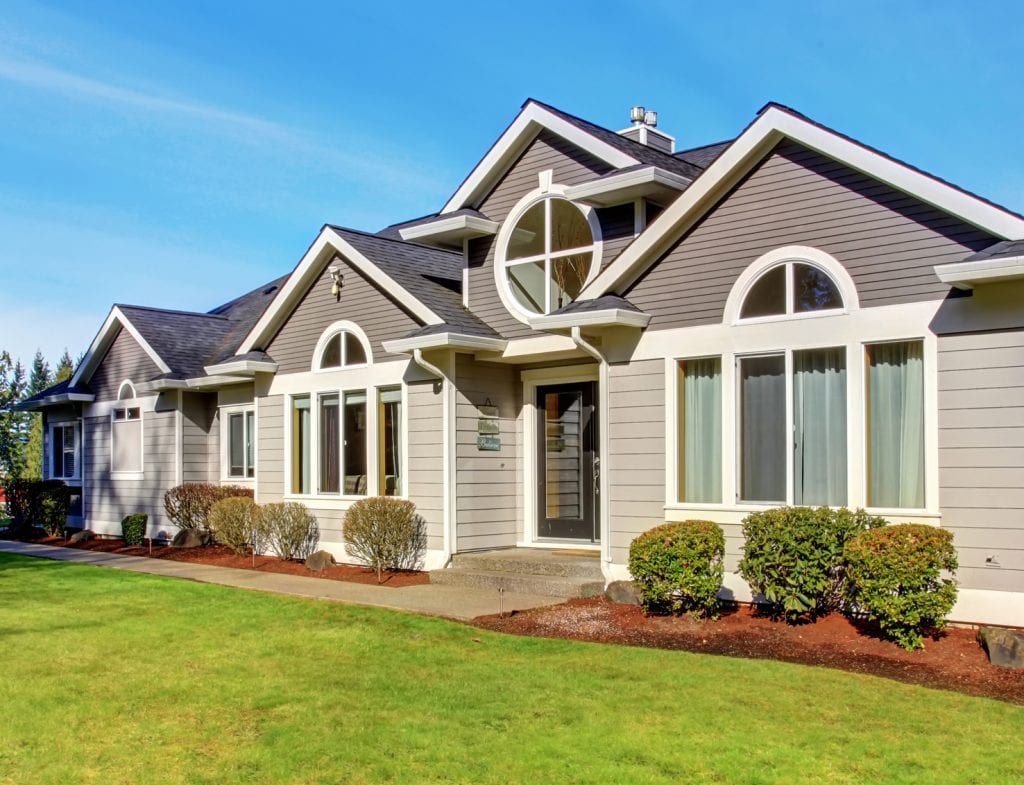
Springtime is the perfect opportunity to refresh your home’s exterior with a new coat of paint. With milder weather, longer days, and nature in full bloom, it’s an ideal moment to enhance your property’s curb appeal and protect it from the elements. However, a successful exterior painting project involves more than just picking a color and applying paint. Proper planning, attention to detail, and understanding seasonal challenges are crucial for lasting results.
Why Spring Reigns Supreme for Exterior Painting
Spring offers a sweet spot for exterior painting—temperatures are moderate, humidity is manageable, and the risk of extreme weather is lower than in summer or winter. This creates the perfect environment for paint to cure properly and bond well with your home’s surfaces. Painting during spring also helps shield your home from the harsher conditions of the coming months, ensuring a vibrant, durable finish that stands the test of time.
The Ultimate Spring Painting Preparation Checklist
1. Assess Your Home’s Exterior Condition
Before you begin, take a close look at your home’s siding, trim, and any painted surfaces. Check for cracks, peeling paint, water damage, or signs of rot. Addressing these issues beforehand is essential for a smooth, long-lasting finish. Don’t forget to inspect caulking and sealants, as these can deteriorate over winter and lead to leaks if not repaired.
2. Deep Clean Every Surface
A clean surface is the foundation of a great paint job. Use a pressure washer for larger areas, or a gentle scrub for delicate surfaces. Remove dirt, mildew, and old flaking paint to ensure optimal paint adhesion. Pay special attention to corners, eaves, and areas near the ground, which are prone to moisture buildup.
3. Sand and Prime for a Flawless Base
Sanding rough patches and priming bare or repaired areas is vital for a professional result. Sanding creates a smooth surface for paint to grip, while priming prevents moisture penetration and ensures even color coverage. Always use exterior-grade primer for maximum durability.
4. Protect Surrounding Areas
Mask off windows, doors, and trim with painter’s tape, and cover landscaping, outdoor furniture, and fixtures with drop cloths. This prevents accidental paint splatters and keeps your yard looking pristine throughout the project.
5. Select the Right Paint and Tools
Choose high-quality exterior paint formulated for your home’s material and your local climate. Acrylic latex paints are favored for their quick drying time, flexibility, and resistance to fading and mildew. For wood surfaces, oil-based paints may offer extra durability. Invest in professional-grade brushes, rollers, and sprayers for a smooth, even application.
6. Watch the Weather Forecast
Paint on dry days with temperatures between 50°F and 85°F (10°C and 25°C). Avoid painting in direct sunlight, high humidity, or windy conditions, as these can impact drying times and finish quality. Spring weather can be unpredictable, so monitor forecasts closely and plan for several consecutive dry days.
7. Apply Multiple Coats for Maximum Protection
Most exterior surfaces benefit from at least two coats of paint. Allow each coat to dry completely before applying the next. This ensures full coverage, better protection, and a longer-lasting finish.
Pro Tips for a Professional-Looking Finish
-
Always work from top to bottom to minimize drips and maintain even coverage.
-
Use proper brush and roller techniques for a smooth, streak-free result.
-
If using a sprayer, keep a consistent distance and overlap passes for uniform application.
-
Clean all tools immediately after use to extend their lifespan and ensure future projects go smoothly.
Frequently Asked Questions
1. What weather conditions are best for spring exterior painting?
The ideal conditions include dry weather, temperatures between 50°F and 85°F, and humidity below 85%. Avoid painting in direct sunlight or on windy days to prevent uneven drying and overspray.
2. How should I prepare my home’s exterior before painting?
Inspect for damage and make repairs as needed. Clean all surfaces thoroughly, sand rough areas, and prime bare or repaired spots. Protect windows, doors, and landscaping with tape and drop cloths.
3. Is it possible to paint over existing paint?
Yes, as long as the surface is in good condition. Remove any peeling or flaking paint, clean the area, and prime if necessary before applying a new coat.
4. How long does it typically take to paint a home’s exterior?
The timeline depends on the home’s size, surface condition, and number of painters. Most projects take several days to a week or more, including prep and drying times.
5. What type of paint is best for exterior spring painting?
Choose high-quality exterior paint suited to your home’s material. Acrylic latex paints are popular for their durability and weather resistance, while oil-based paints offer stronger adhesion for wood surfaces.
Cooley Brothers Painting is your trusted partner, offering expert guidance and high-quality painting services to transform your home’s exterior with precision and care this spring season.

David Cooley, the esteemed owner of Cooley Brothers Painting, has established himself as a leading figure in the painting industry. With a rich history of delivering unparalleled service in Torrance, Manhattan Beach, Palos Verdes Estates, Redondo Beach, and Rolling Hills, his hands-on approach and dedication to quality have shaped Cooley Brothers Painting into a trusted name for exceptional painting services. With a focus on innovation, customer satisfaction, and community engagement, David’s leadership continues guiding his team toward new heights of excellence and reliability in every project.